


The post Graphite: Empowering Innovation, Leading with Purpose appeared first on Middle East Construction News.
Source: MEConstructionNews
The post Graphite: Empowering Innovation, Leading with Purpose appeared first on Middle East Construction News.
Source: MEConstructionNews
Today, the Middle East is renowned for its high-rise construction, home to some of the world’s most iconic and tallest buildings. From the exquisite Burj Khalifa in Dubai standing at 830m, to the upcoming Jeddah Tower in Saudi Arabia set to soar one kilometer high, these skyscrapers not only represent architectural ambition but also highlight the region’s economic growth and modernisation. However, as the skyline continues to ascend, ensuring fire safety is becoming increasingly complex.
In a region characterised by extreme temperature, rapid urban growth, and diverse regulatory landscapes, fire safety practices are evolving to meet new challenges. While advanced technologies and updated building codes play vital roles, the human element remains an essential aspect of fire of effective fire safety strategies in the Middle East. By enhancing training, awareness, and community engagement, the region can continue to innovate and reinforce its focus on fire and life safety, ensuring that its progress is matched by a committed and skilled workforce and engaged public.
The regional context: A unique set of challenges
The Middle East requires a customised approach to fire safety. The region’s climate significantly influences both construction practices and fire risk management, especially for high-rise buildings. In Gulf countries, where summer temperatures often exceed 40-degrees Celsius (C), intense heat can alter the behavior of materials and heighten fire hazards. Moreover, the rapid population growth and swift urbanisation have resulted in densely packed cities, where high-rise buildings are closely clustered, amplifying the risk of fire spreading between structures.
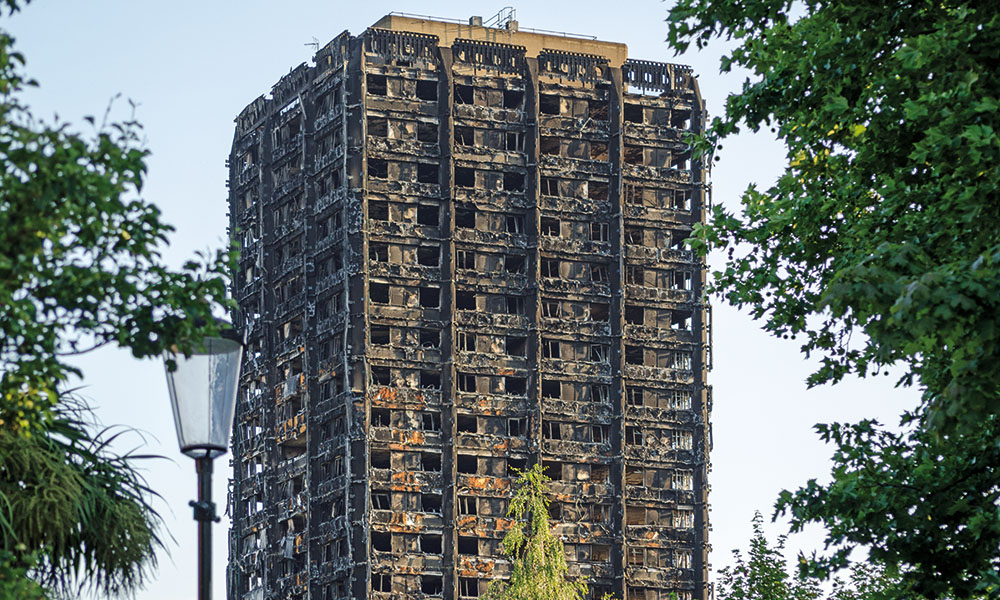
Moreover, the Middle East’s wide range of high-rise buildings including luxury hotels, residential towers, and large commercial complexes, demands fire safety strategies that cater to their distinct uses and occupancy types. The mixed-use nature of many of these structures further complicates fire safety, as the strategies must address the varied risk profiles within a single building. The MENA region’s undeniable drive for safe and sustainable development presents a unique opportunity to learn from past tragedies, such as the Grenfell Tower fire, where external flammable cladding proved a deadly risk. By addressing this real threat prevalent throughout the region, we can ensure these tragic events are not repeated, advancing our shared commitment to safety and resilience in high-rise construction.
A holistic approach: Integrating technology and human factors
To tackle the distinctive fire safety challenges of high-rise buildings in the Middle East, it is essential to merge technological innovations with a focus on human factors. Technologies such as intelligent fire detection systems, automated suppression systems, and building information modeling (BIM) for fire safety planning, play a crucial role in enhancing high-rise safety. However, these technologies must be paired with robust fire safety management plans that focus on human factors, ensuring that all occupants are well-prepared and informed.
Moreover, regulatory frameworks across the region must evolve to reflect the importance of both technology and human empowerment in fire safety. Governments and industry leaders should work together to establish and enforce building codes that mandate not only the use of advanced fire safety technologies but also the implementation of comprehensive training and education programs for occupants and fire safety professionals.
The importance of human empowerment in fire safety
While advancements in technology and stringent building codes are crucial for enhancing fire safety, the role of human factors cannot be overstated. Effective fire safety relies on empowering individuals – both occupants and fire safety professionals, to respond swiftly and appropriately in the event of an emergency.
In the Middle East, where multiculturalism is a defining characteristic of urban population, fire safety education and training must be inclusive and accessible to all. Language barriers, cultural differences, and varying levels of awareness can impact the effectiveness of evacuation procedures and emergency responses. Therefore, it is essential to develop fire safety programs that are tailored to the diverse populations using these high-rise buildings.
Training programs should go beyond technical knowledge to also promote a culture of safety awareness. Key elements of a thorough fire safety plan include regular fire drills, effective communication strategies, and clear, accessible signage. Additionally, building management teams need to be skilled in leading and coordinating evacuation efforts, ensuring that all occupants understand their roles in an emergency.
Adopting the comprehensive NFPA Fire & Life Safety Ecosystem approach emphasises the need to combine technology, community involvement, and professional training to foster resilient environments. By utilising available resources and proven practices, stakeholders can effectively prioritise both technical and human elements in their fire safety strategies.
By emphasising these aspects, the region will enhance the expertise of professionals across the sector, leading to the adoption of higher standards and improving the industry’s ability to attract talent through investment in skilled personnel. This focus is particularly crucial, as a recent NFPA survey revealed that 14% of respondents had to decline projects due to a shortage of qualified professionals.
Lessons from the region
Several high-profile projects in the Middle East demonstrate the effective integration of technology and human factors in fire safety. For instance, the King Abdullah Financial District (KAFD) in Riyadh showcases advanced fire safety systems, including real-time fire risk monitoring, smoke management technologies, and advanced firestop materials and techniques designed to prevent or delay the spread of fire, smoke, and toxic gases. Equally important, KAFD prioritises human-centric safety measures by providing comprehensive training for building occupants and security personnel, ensuring they are well-prepared to manage emergencies.
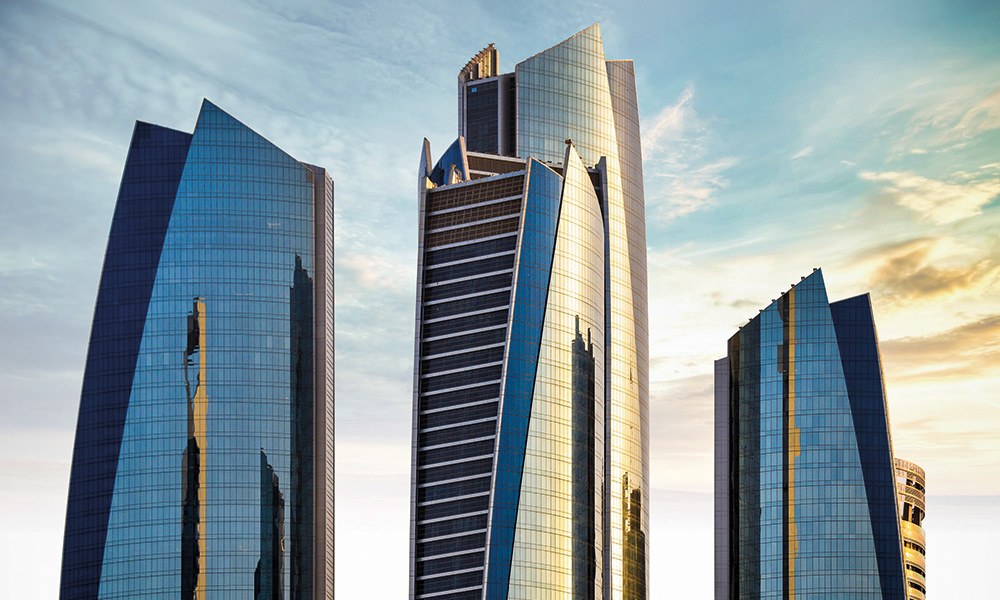
Similarly, the Etihad Towers in Abu Dhabi has adopted a comprehensive approach to fire safety that combines cutting-edge technology with regular safety drills and occupant education programs. These initiatives have helped create a culture of safety awareness among residents and workers, significantly reducing the risks associated with high-rise living.
A call to action
As the Middle East continues to build higher and faster, the need for effective fire safety strategies has never been more critical. The future of fire safety in the region’s high-rise buildings lies in the seamless integration of advanced technologies with a strong emphasis on the human factor. By adopting a holistic approach that prioritises both aspects, the Middle East can ensure that its iconic skyscrapers are not only marvels of engineering but also bastions of safety for all who live and work within them.
It is imperative for stakeholders across the region including governments, developers, architects, and fire safety professionals, to collaborate in this endeavor. Together, we can develop and implement fire safety strategies that are not only effective but also inclusive, adaptable, and resilient. By doing so, the Middle East can continue to rise to new heights while safeguarding the lives of its people and the legacy of its architectural achievements.
The post Fire safety in high-rise buildings appeared first on Middle East Construction News.
Source: MEConstructionNews
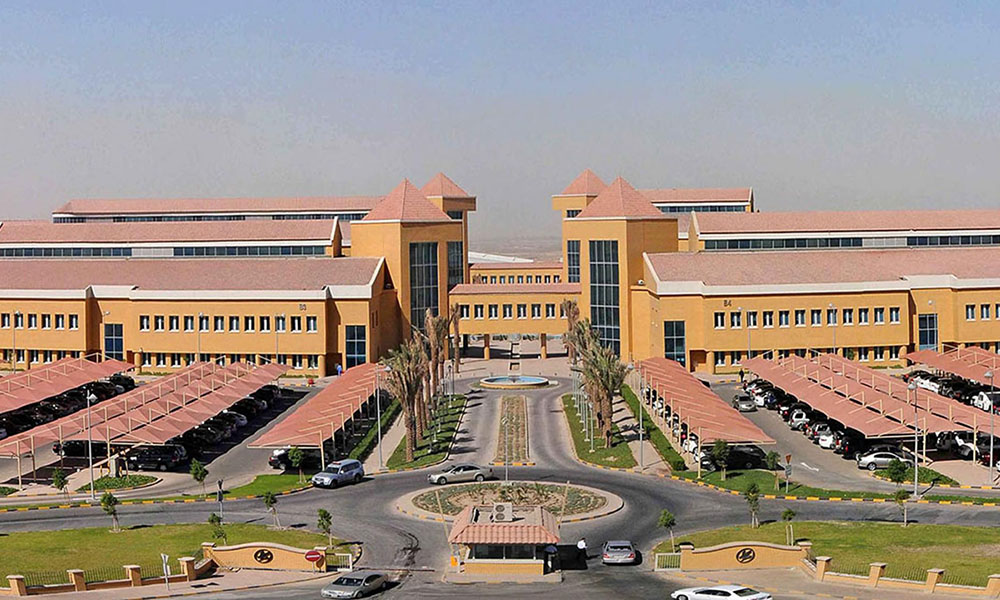
Heavy Engineering Industries & Shipbuilding Company (HEISCO) announced that it has secured a major contract from Kuwait Oil Company for the wholesale upgrade of the gas and condensate network at East Kuwait Area-II.
A Kuwait-based EPC contracting company with a diversified range of business in oil and gas, HEISCO announced that, as per the US $109mn deal with KOC, the entire work will be completed within a three-year period.

The project is aimed at boosting infrastructure, pipelines and associated facilities, and will optimise the transportation and distribution of gas and condensate. This is considered a key project, since East Kuwait Area-II is believed to have strong development potential, and the upgrading work will cater for ongoing increases in production.
HEISCO explained that the scope of the project includes the expansion and restructuring of the condensate network, along with the developing of new pipeline infrastructure. There will also be a raft of related civil works. The revenue for these projects will be shown in HEISCO’s annual financial statements for 2025 and 2027.
The post Kuwait Oil Company awards contract for gas network expansion appeared first on Middle East Construction News.
Source: MEConstructionNews
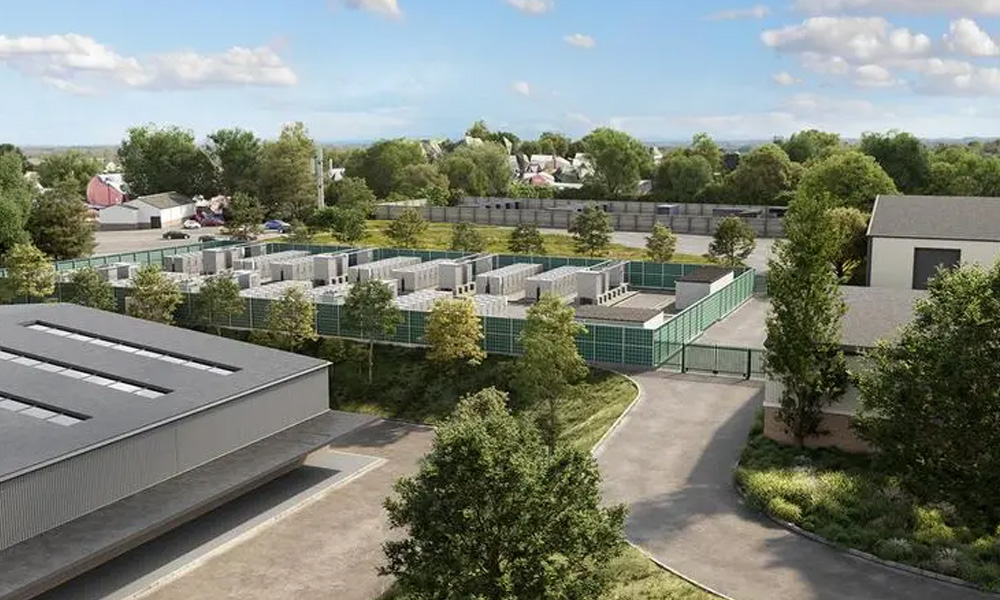
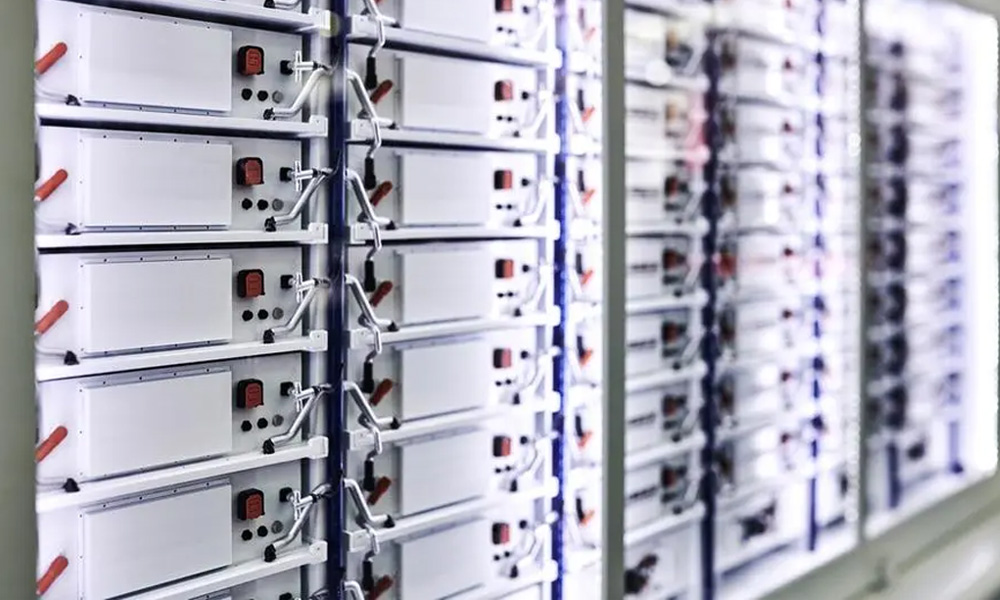
AMEA Power has been awarded two pivotal Battery Energy Storage System (BESS) projects through Bid Window 2 of BESIPPPP, organised by South Africa’s Department of Electricity and Energy.
The Gainfar and Boitekong projects, located in the North West Province, will each have a capacity of over 300MWh. These projects will play a vital role in strengthening Eskom’s grid stability. As South Africa continues to grapple with frequent blackouts and load shedding, these BESS projects will help mitigate risks and contribute to the country’s energy security, said a statement.
The Gainfar Project will be connected to the Ngwedi substation, while the Boitekong Project will be connected to the Marang substation. These storage solutions are essential in strengthening the country’s electricity grid and supporting the transition to a more resilient and sustainable energy system.
Hussain Al Nowais, Chairman of AMEA Power, said: “This achievement marks a major milestone for AMEA Power, as we continue to expand our footprint in South Africa, a key market for us. These projects represent our first successful awards of BESS projects, through a competitive bidding process and underscore our commitment to providing sustainable, resilient and cost-effective energy solutions. We are proud to support South Africa’s energy transition, enhance Eskom’s grid reliability, and drive economic growth in the region. With our expanding portfolio, including the 120MW Doornhoek Solar PV project, and our regional office in Johannesburg, we are dedicated to contributing to cleaner, more sustainable energy future for South Africa.”
Both projects will deliver essential power, energy, and services to Eskom through 15-year Power Purchase Agreements (PPAs), further solidifying AMEA Power’s role in the country’s energy landscape. Once operational, these energy storage systems will provide reliable backup power, enabling a stable grid and supporting South Africa’s renewable energy journey.
The post AMEA Power secures two major BESS projects in South Africa appeared first on Middle East Construction News.
Source: MEConstructionNews
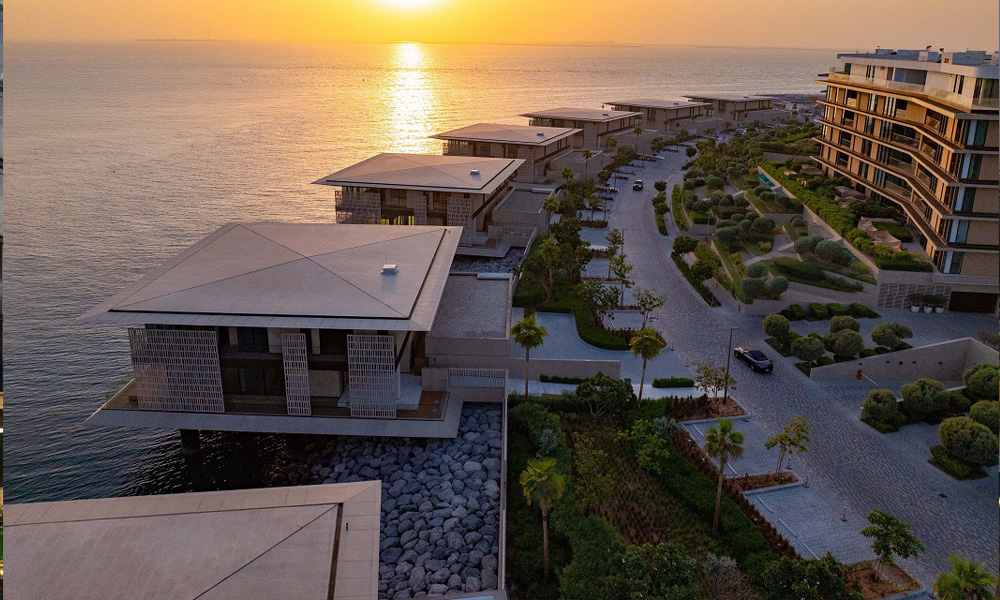
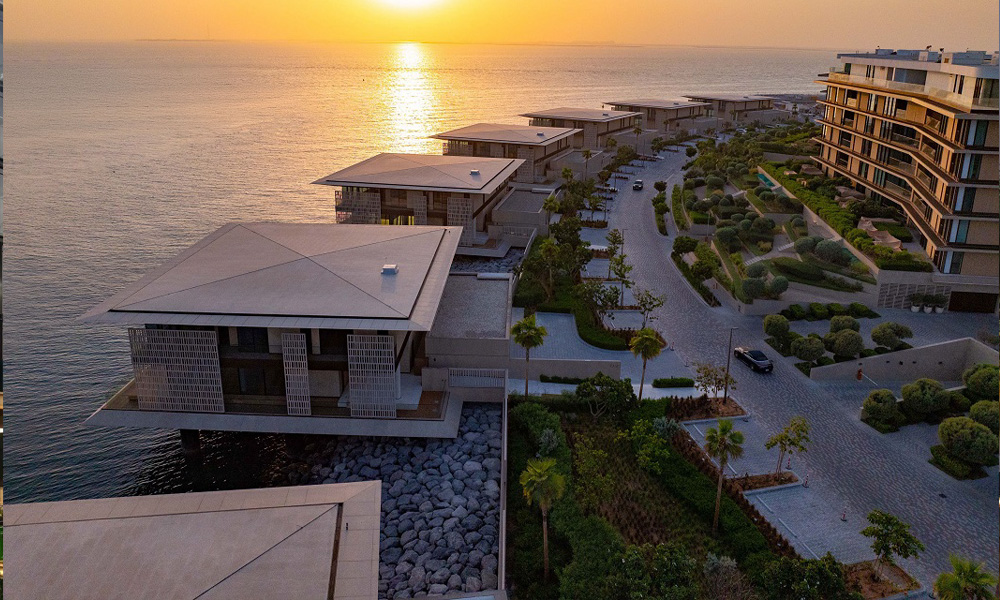
Meraas has announced the key handover of the ultra-exclusive Bvlgari Ocean Mansions on Jumeira Bay Island. This marks the completion of the project between developer Meraas and luxury brand Bvlgari, delivering an exclusive residential area in Dubai’s waterfront areas.
With only seven Bvlgari Ocean Mansions developed, each one has been crafted to high standards and attention to detail, demonstrating the artistry and vision that is the result of the partnership between Meraas and Bvlgari, and their mutual commitment to delivering the finest residential experiences in the region.
The key handovers for the Bvlgari Ocean Mansions were being held at the Bvlgari Yacht Club, providing owners with an personalised experience. Shaped like a seahorse, Jumeira Bay Island by Meraas is not only home to the Bvlgari Ocean Mansions and Bvlgari Resort Dubai, but also serves as destination for both residents and visitors to enjoy.
Khalid Al Malik, Chief Executive Officer of Dubai Holding Real Estate said, “We are thrilled to announce the completion and handover of the ultra-exclusive Bvlgari Ocean Mansions. This project represents the culmination of a remarkable partnership with Bvlgari, combining their iconic elegance with our vision for creating exceptional living spaces. Together, we’ve crafted one of Dubai’s most exclusive residential destinations, blending world-class design with unparalleled lifestyle experiences. At Meraas, we believe in pushing boundaries and setting new standards that continuously redefine what luxury living can be.”
The Bvlgari Ocean Mansions reflect Bvlgari’s Mediterranean-inspired that can be seen throughout Jumeira Bay Island, which is an enclave for high-net-worth individuals seeking secluded waterfront properties. The project was designed by the Italian architecture firm Antonio Citterio Patricia Viel and constructed by Innovo Group.
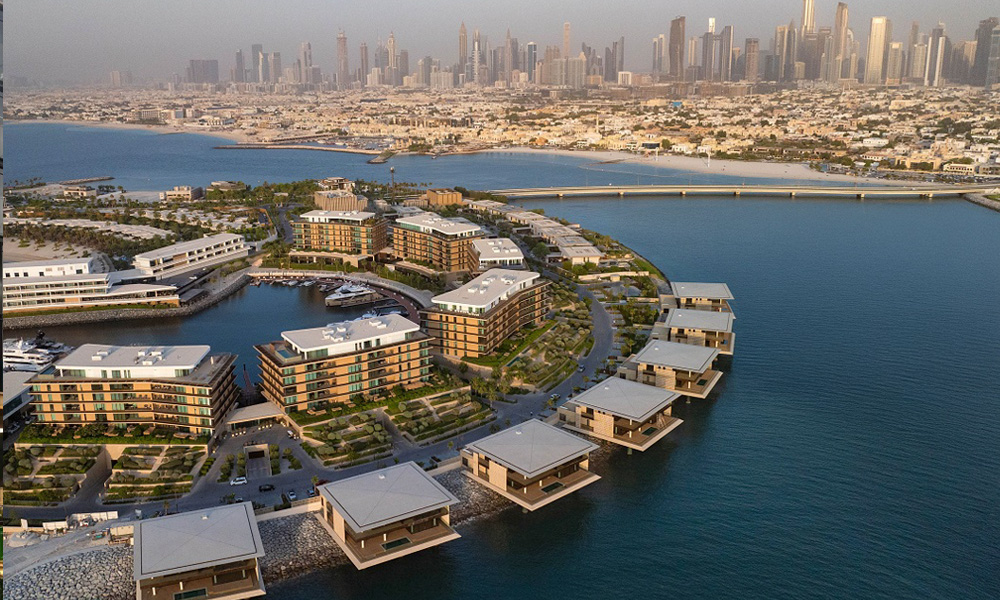
Each Bvlgari Ocean Mansion comprises nearly 10,000sqft, spread over five bedrooms, with indoor and outdoor spaces. The Ocean Mansions features an over-water design and hug the curve of Jumeira Bay Island, appearing to float above the waves and offering sublime views of the ocean. Each balcony features an infinity pool that creates an illusion of blending entirely with the ocean, said a statement.
Nature is fully embraced within the design of the mansions, with features like glazed terracotta roofs, floor-to-ceiling glass doors, and skylights, which ensure that residents can fully embrace outdoor living within the residences, including access to private gardens. The island boasts private beaches, fine dining options, it added.
As part of the Bvlgari experience, residents will enjoy access to the exclusive facilities of the neighbouring Bvlgari Resort Dubai, complemented by Bvlgari’s high service standards. This includes the world’s first Bvlgari Marina and Yacht Club, state-of-the-art swimming pools, landscaped gardens, private parking spaces, dedicated storage facilities and a host of dining options on-site.
The post Meraas announces handover of ultra-exclusive Bvlgari Ocean Mansions appeared first on Middle East Construction News.
Source: MEConstructionNews
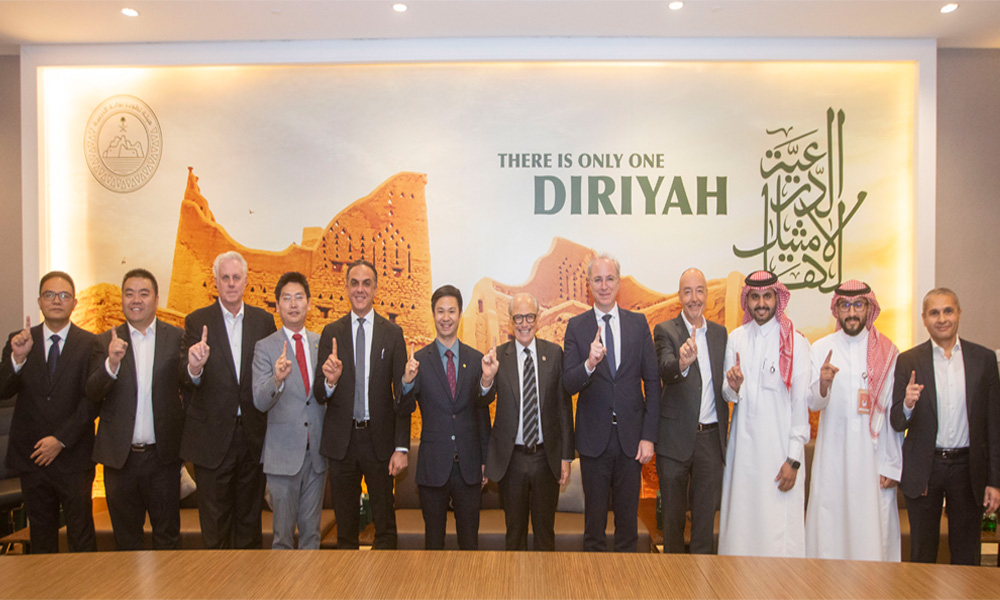

Diriyah Company, the mixed-use developer behind the transformation of Diriyah, The City of Earth, has awarded a US $202.2mn contract to China Harbour Engineering Company to undertake bulk excavation works in Diriyah’s second phase. The Diriyah Company is responsible for the Diriyah and the Wadi Safar masterplans, more than 40 hotels, arts districts, museums and sporting venues within the outskirts of Riyadh.
The excavation works will cover most of the area of the second phase of the Diriyah project, which spans approximately 6.3sqkm, out of the total 14sqkm development area. The excavation works will see more than 600 heavy machines deployed on-site to carry out the work, shaping the site according to design specifications and providing a foundation for the development of planned world-class assets in Diriyah. These include the Royal Diriyah Opera House and the 20,000 seat Diriyah Arena.
Diriyah Company will embrace circular economy principles, as materials from the excavation site will be crushed and repurposed for uses such as road bases, landscaping, and backfill, according to international sustainability guidelines. By embedding international best practices, innovative technologies, and sustainability certification targets in all our projects, Diriyah Company aims to enhance environmental performance and sustainability credentials at the community and building levels.
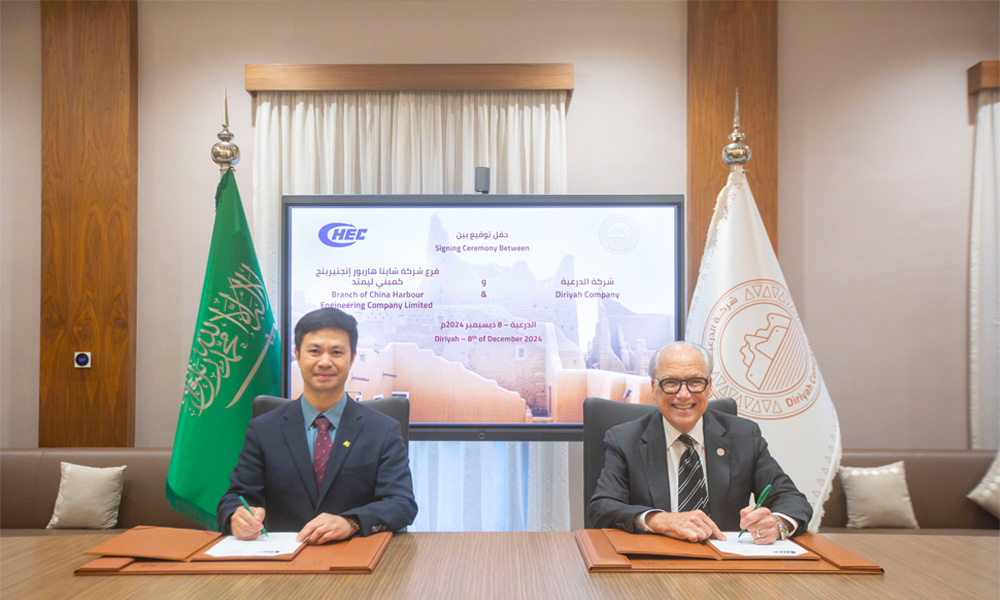
Jerry Inzerillo, Group CEO of Diriyah Company said, “We are excited to begin bulk excavation works in the second phase of the Diriyah project, marking another key milestone in the development of The City of Earth. Progressing ahead of schedule, this excavation will enable smooth and efficient development of major cultural assets that will attract millions of visitors annually to Diriyah and inspire the world. As we move forward in creating a premier live-work-play destination, we encourage partners to join us on this journey”.
Yang Zhiyuan, CEO of China Harbour Engineering Company commented, “We are honored to collaborate with Diriyah Company on the execution of the Bulk Excavation Works project. We are confident in the success of this project, integrating the advantages of global resources, technical strength, equipment resources and an experienced management team. We will focus on environmental protection awareness and sustainable development concepts during implementation, ensuring the timely delivery of the project, contributing to the preservation of Diriyah’s heritage, cultural exchange and the development goals of Saudi Vision 2030.”
The contract is the latest awarded this year by Diriyah Company, following a $1.55bn joint venture for Qurain Cultural District, awarded last month in November; a $2.08bn contract for the Northern District, awarded in July; and another contract worth $2.13bn to build four luxury hotels and Royal Diriyah Equestrian & Polo Club in Wadi Safar, also in July.
The post Diriyah Company awards $202.2mn contract appeared first on Middle East Construction News.
Source: MEConstructionNews
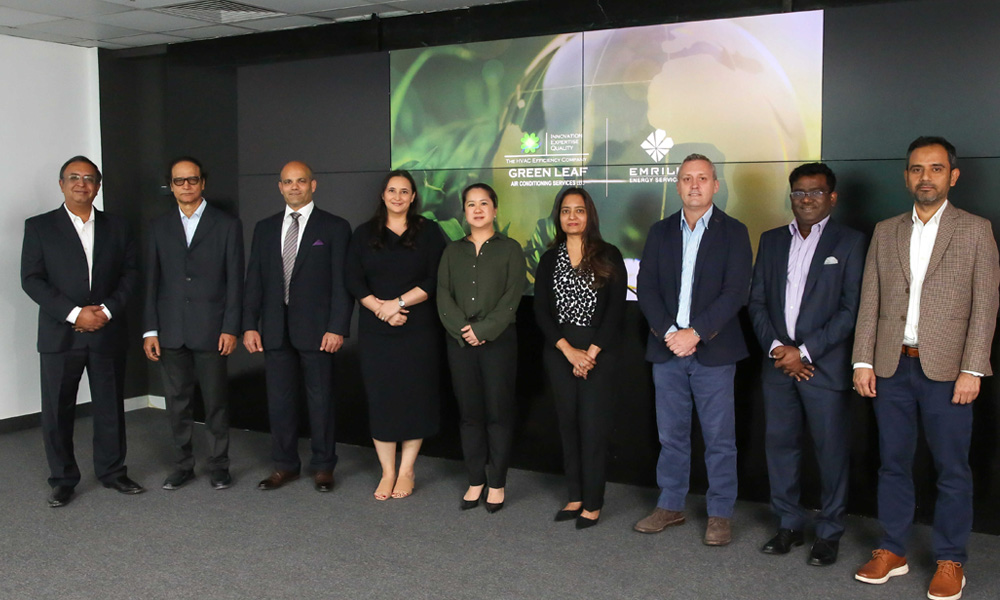
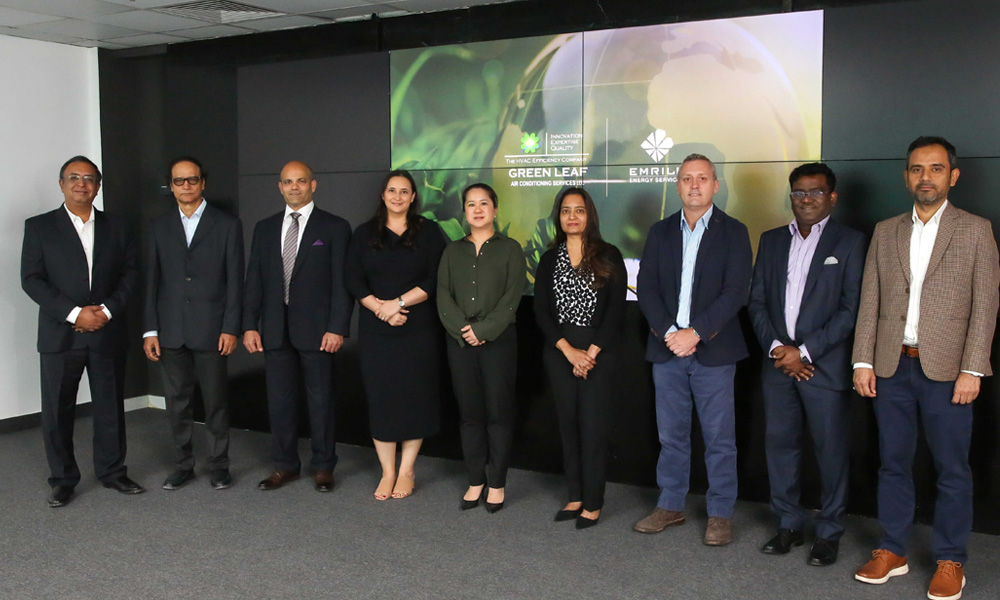
Emrill Energy have announced a partnership with Green Leaf Air conditioning Services to drive sustainability and cost-efficiency for Dubai and Sharjah’s property owners. The collaboration will reduce the carbon footprint of buildings and lower service fees for homeowners, setting a new standard for environmentally responsible and economically viable solutions, said a statement.
The companies said they have deployed the state-of-the-art Cooling-as-a-Service (CaaS) solution across seven residential and commercial sites in Dubai and Sharjah, with five more projects in the commissioning and handover stage, achieving significant results. This initiative has delivered energy savings in excess of 600,000kWh, equating to a reduction of 287t of CO2 emissions.
The solution combines customised on-site electromechanical upgrades with remote monitoring of over 200 operating parameters in real time. This data is analysed through their proprietary AI engine and Expert System to predict and address operational abnormalities before they escalate. Customers have reported visible energy savings and operational improvements immediately following implementation, demonstrating the solution’s rapid and measurable impact. The system also features an energy dashboard, providing customers with real-time visibility into the operational data and energy savings of their HVAC systems.
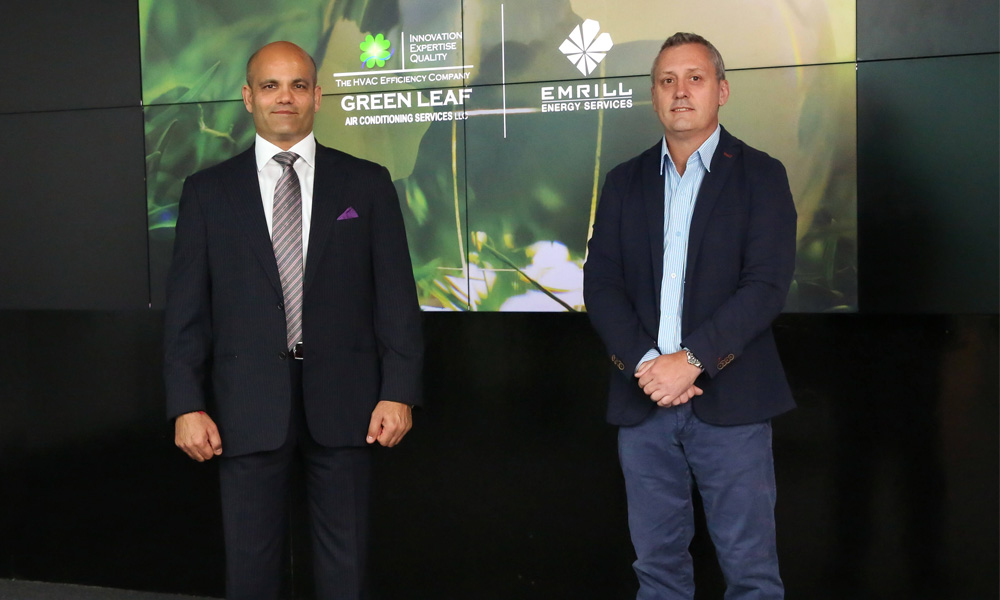
Shariq Ahmad, Associate Director at Emrill Energy said, “Through Emrill Energy’s collaboration with Green Leaf, we’ve proven sustainability doesn’t have to come at a premium. By harnessing cutting-edge technology and predictive maintenance strategies, we’ve not only reduced carbon emissions but also achieved direct cost savings for property owners. This partnership reflects Emrill Energy’s commitment to delivering energy-efficient solutions that align with the UAE’s vision for a sustainable future.”
Pramod Parasramka, Partner at Green Leaf Airconditioning Services commented, “Our proprietary Cooling-as-a-Service model is designed to transform the way cooling systems operate, ensuring efficiency and sustainability without compromising comfort or increasing cost. We are proud to partner with Emrill Energy to deliver measurable environmental and economic benefits to Dubai’s property owners and their communities. We now look forward to extending this offering to commercial properties and leasehold properties in this coming year.”
Through its commitment to sustainability, technological innovation, and continuous improvement, Emrill Energy continues delivering substantial energy savings and contributing to a greener, more sustainable future for the UAE.
The post Emrill Energy and Green Leaf deploy CaaS solution appeared first on Middle East Construction News.
Source: MEConstructionNews
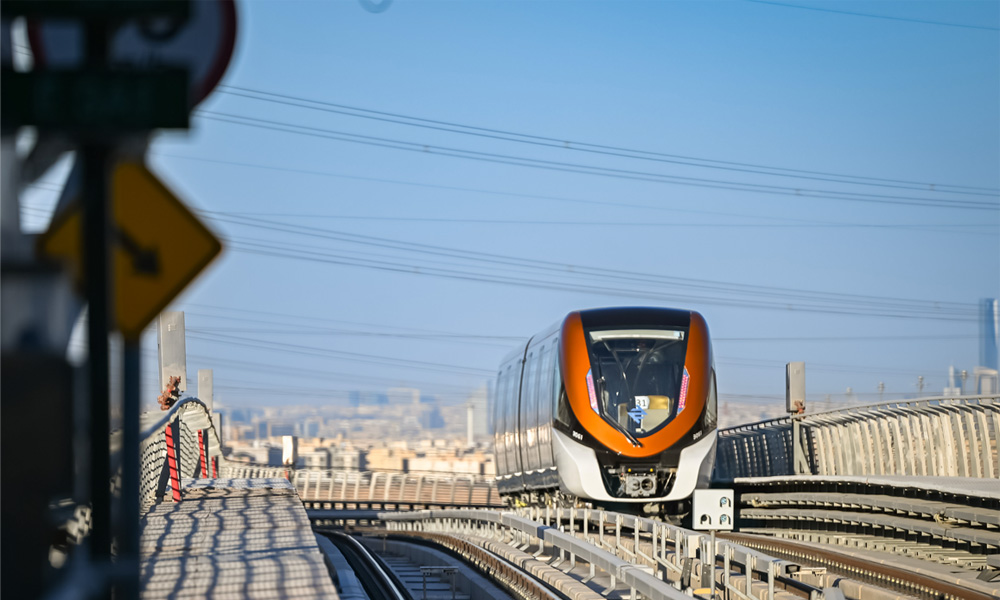
The Royal Commission for Riyadh City (RCRC) has announced that the Orange Line (Al Madinah Al Munawwarah Axis) began operating on 5 January 2025. The line stretches from east to west, with its stations spanning from Jeddah Road to the Second Eastern Ring Road, parallel to the Khashm Al Aan in the East, with a total length of 41km.
The launch of the Orange Line marks the completion of the phased rollout of all six lines of the Riyadh Metro network, in line with the roll-out plan announced at the project’s inauguration.
Starting at exactly 6AM, Orange Line passengers could access the following stations: Jeddah Road, Tuwaiq, Al Dawh, Harun Al Rashid Road, and An Naseem – an interchange station that links the Orange and Purple lines.

Separately, RCRC has announced the start of operations of three new stations on the Blue Line (Al Olaya – Al Batha Axis): Al Murooj, Bank Al Bilad, and King Fahad Library.
The operationalisation of all six lines of the Riyadh Metro network improve connectivity across the capital and ease travel for both residents and visitors, with operating hours from 6AM to 12AM.
Passengers may identify destinations and purchase tickets using the ‘Darb’ mobile application or ticket offices and self-service machines at the Riyadh Metro stations. For further information, people may contact the unified public transport Call Center at 19933 or visit the Riyadh Metro website or social media accounts.
The post Royal Commission for Riyadh City launches Orange Line of Riyadh Metro appeared first on Middle East Construction News.
Source: MEConstructionNews

The UAE has significantly advanced its infrastructure sector during 2024, launching a series of vital projects that have been designed to meet the nation’s economic growth objectives and promoting development across various industries.
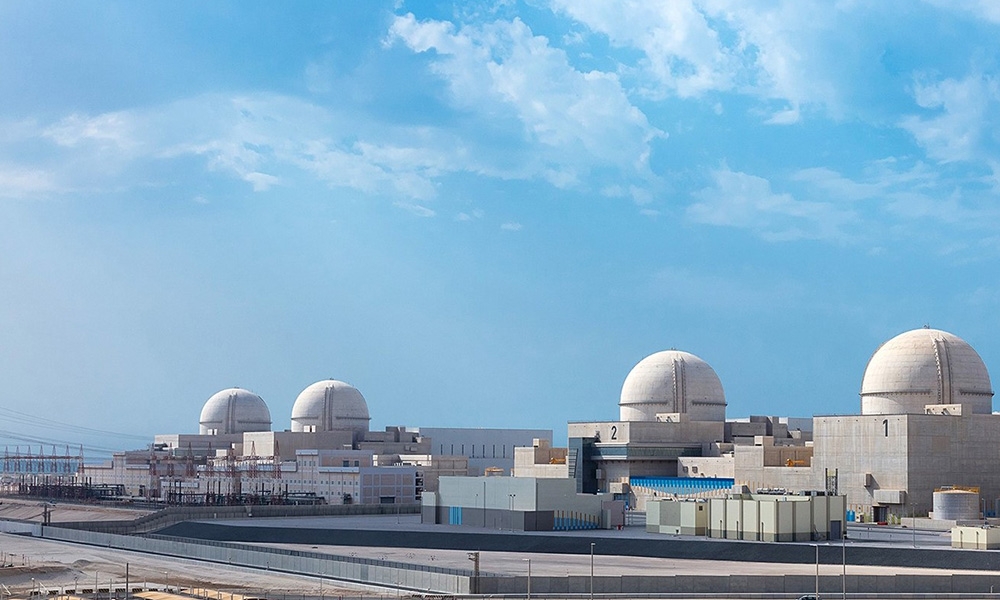
Key achievements include the historic start of commercial operations for Unit 4 at the Barakah Nuclear Energy Plant, marking its full delivery. The Barakah Plant is now generating 40TWh of electricity per year, providing up to 25% of the UAE’s electricity, clean and carbon-free.
Meanwhile, the Executive Committee of the Initiatives of UAE President has approved a major infrastructure package, which includes the construction of nine new dams, the expansion of two existing dams, and the development of various embankment barriers.
These measures will enhance infrastructure resilience to cope with climate change and increase water reserves by collecting rainwater and floodwaters with over eight million cu/m of storage capacity. The projects will be completed within 19 months and will also include the construction of nine water canals, totalling approximately 9km.
In the UAE capital, the Abu Dhabi Projects and Infrastructure Centre announced the Executive Council’s approval of 144 projects across the emirate. These projects will span a number of sectors, including housing and quality of life, education and human capital, tourism, and natural resources.

Among the key projects, the Integrated Transport Centre unveiled the 25km median islands project, designed to accommodate 8,000 -10,000 vehicles per hour in each direction.
Other projects include traffic enhancements on Musaffah Road (E30), Al Khaleej Al Arabi Street (E20), and the construction of new bridges on Abu Dhabi-Al Ain Road (E22) and 79th Street in Mohamed bin Zayed City.
Moreover, in Dubai, the new passenger terminal at Al Maktoum International Airport is set to become the world’s largest airport on completion, with a cost of US $34.85bn and a capacity to handle 260m passengers and 12m tonnes of cargo annually.
The airport will accommodate 400 aircraft gates and feature five parallel runways, as well as introducing a raft of new aviation technologies. The second Dubai project, the ‘Tasreef’ initiative, aims to develop the emirate’s rainwater drainage network at a cost of $8.17bn, increasing capacity by 700%.
The third project involves doubling the capacity of the Dubai Exhibition Centre, meaning that by 2033 it will be possible to increase the range of major events hosted annually from 300 to over 600. Also in Dubai, 2024 saw the opening of a key, two-lane bridge – spanning 1,000m – connecting Hessa Street to Al Khail Street, reducing travel time from 15 minutes to three minutes.
The post 2024 was a landmark year for UAE infrastructure appeared first on Middle East Construction News.
Source: MEConstructionNews

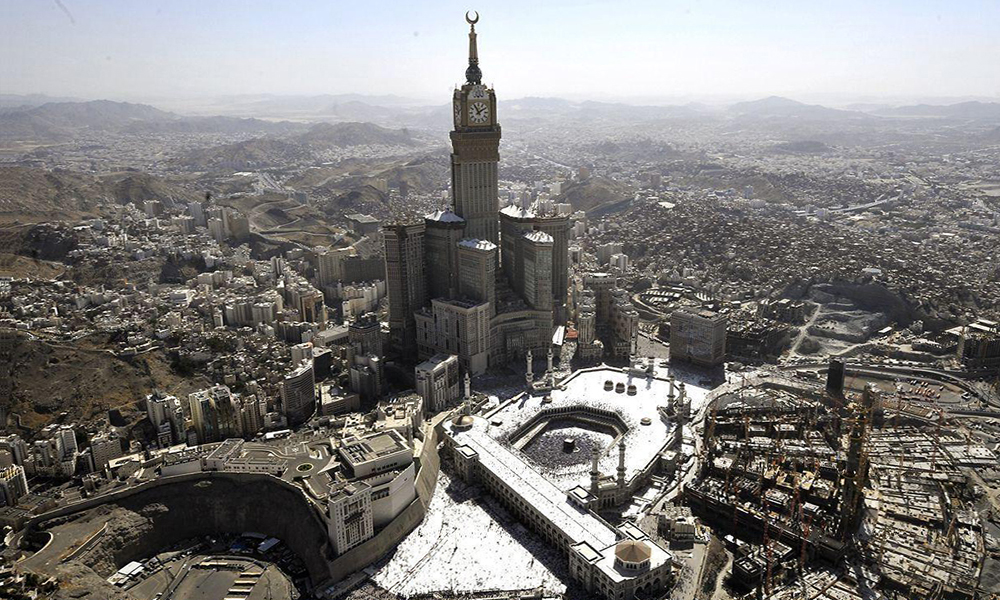
Saudi Arabia’s National Water Company (NWC) has announced that it has started implementing water supply projects in Makkah at a cost of more than US $426mn. These projects are part of NWC’s strategies to develop the infrastructure of the water and environment sectors and increase the coverage rates in cities and governorates.
According to NWC, these projects will serve more than three million beneficiaries per annum. The new initiatives include implementation of main water lines running for 29km, which will serve 16 districts in Makkah.
The projects are: Ajiad 1 and 2; Al-Hajj Street; Al-Hamra; Al-Andalus; Al-Aziziyah; Batha Quraysh; Al-Khaleej; Al-Kawashk; King Fahd Neighborhood; Al-Maghmas; Al-Nozha; Al-Nawariyah; Al-Rashidiyah; Al-Salama; and Al-Zaher, in addition to supplying the Masar Destination project.

NWC pointed out that these projects aim to keep pace with the water needs in Makkah, increase operational efficiency in light of the increase in the number of visitors and pilgrims, in addition to serving the pilgrims and Umrah visitors during the Ramadan and Hajj seasons.
Once completed, these projects will enhance the infrastructure of the water and environmental sectors, ensuring continued operational efficiency and improving the quality of services provided to customers.
The post New water infrastructure announced for Makkah appeared first on Middle East Construction News.
Source: MEConstructionNews