Formula-1.jpg

April 25, 2025 valueeng0

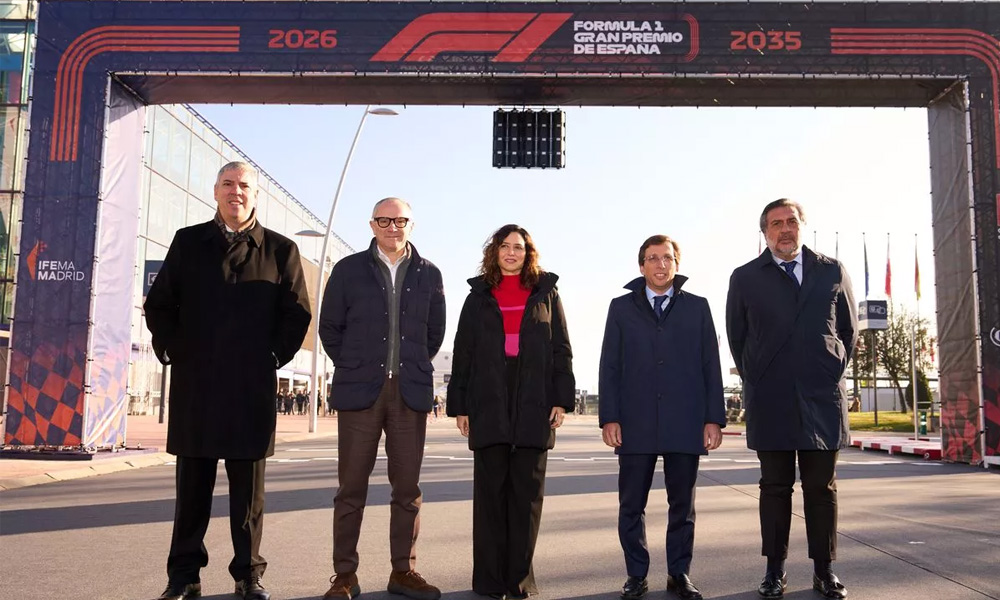
Madrid, Spain, will soon be home to a new Formula 1 racing circuit, and the job of building it has been awarded to two construction companies Acciona and Eiffage Construcción. The circuit, named Madring, is set to host its first Formula 1 races in 2026.

The Madring project was originally budgeted at US $118.8mn but the two companies offered to build it for $89mn. Acciona owns 60% of the partnership while Eiffage owns 40%. This joint venture now has the responsibility to turn Madrid into a Formula 1 destination.

The new racetrack will be constructed in the northeastern part of Madrid. Most of the track (about 4.1km) will be built on land owned by IFEMA Madrid, which is an exhibition and events centre. The remaining 1.3km of the track will be built along public roads. After each race, the public roads will be restored for normal use by everyday drivers.

Construction work is expected to begin in April 2025 and is planned to be completed by May 2026, in time for the Formula 1 season. The new circuit will be 5.4km long and will meet the international standards set by the FIA (International Automobile Federation) for Formula 1 racing.

The project involves, building permanent track structures such as the actual racecourse and key facilities, setting up and later removing temporary structures for each race, like grandstands, pits, and hospitality areas, restoring public roads used for the circuit so they can be used again after each event.

Acciona and Eiffage are committed to reducing environmental impact during construction by reusing up to 700,000cu/m of earth from excavation work, recycling 60% of the materials moved during construction, using HVO (Hydrotreated Vegetable Oil) fuel for all machinery and vehicles involved in the project, which helps reduce CO2 emissions, powering construction equipment and on-site facilities with renewable electricity. These eco-friendly measures will make the Madring not just a track but also a greener one.

This is not the first time Acciona and Eiffage have worked on race tracks. Acciona has previously built the Motorland Aragón track, and Eiffage has worked on the Jerez circuit, which hosted the 2009 MotoGP Grand Prix, as well as the Carmona circuit in Seville, one of Spain’s largest racing venues.

Once completed, Madring will become a new addition to the Formula 1 calendar. The project is part of Spain’s growing interest in motorsport, as the country continues to invest in racing infrastructure. With the Madring set to host F1 drivers from the world, this track will bring attention to Madrid, boosting both tourism and the local economy.

The post Madrid F1 Track project secured by Acciona and Eiffage Construcción appeared first on Middle East Construction News.

Source: MEConstructionNews

DEYAAR-ASSEMBLY-1.jpg

April 25, 2025 valueeng0

Deyaar Development conducted its Annual General Assembly (AGA) under the leadership of its Chairman, Abdulla Ali Alhamli. The meeting brought together the company’s Board of Directors, shareholders, senior management, external auditors, and representatives from regulatory bodies, marking a milestone in Deyaar’s corporate governance calendar.

In a strong show of corporate alignment, shareholders overwhelmingly approved all agenda items, demonstrating confidence in the company’s strategic direction. The General Assembly elected a new Board of Directors for the 2025-2028 term, comprising, Abdulla Ali Alhamli, Hamad Mubarak Buamim, Adnan Chilwan, Mohammed Saeed Al Sharif, Maryam Mohammed Bin Faris, Mohammed Rashed Bin Dhabeah Al Ketbi, Rashid Hasan Aldaboos, said a statement.

The newly elected Board is expected to reinforce Deyaar’s commitment to corporate governance, innovation, and sustainable growth, further strengthening its role as a key enabler in the UAE’s economic diversification and real estate development goals. The approval of a 5% dividend distribution underscores Deyaar’s financial performance and commitment to delivering shareholder value.

Deyaar continues to deliver transformative developments reflecting innovation, and sustainability. With a portfolio that spans residential, commercial, and hospitality sectors, Deyaar remains at the forefront of shaping the nation’s urban future. The company reaffirms its commitment to supporting the UAE’s visionary development agenda, contributing meaningfully to the country’s socioeconomic progress, and delivering long-term value to stakeholders.

The post Deyaar elects new Board and approves dividend at AGM appeared first on Middle East Construction News.

Source: MEConstructionNews


Kenya-Highway.jpg

April 24, 2025 valueeng0

The Kenyan government has terminated a US $1.39bn highway expansion agreement with Vinci Highways. The project could potentially be awarded to a Chinese contractor, as confirmed by government officials and sources familiar with the matter.

The project, initially signed in Paris in 2020 during a visit by then-President Uhuru Kenyatta, aimed to transform a 140km single-lane road into a multi-lane highway connecting Nairobi to Nakuru, a city in Kenya’s Rift Valley region.

The Kenya National Highways Authority (KeNHA) expressed dissatisfaction with the deal, stating that it was not favorable to the country. The agreement would have required the government to cover the costs if insufficient vehicles utilised the road. KeNHA attempted to modify the contract, but Vinci refused to agree, leading the government to cancel the deal, as per a report.

“KeNHA requested a restructuring of the contract but the proposal was considered unbankable thus creating a stalemate,” the agency stated. This led to the issuance of a formal termination notice, effectively ending the deal before any construction had begun.

The French-led group included Vinci Highways, Vinci Concessions, and private equity firm Meridiam. Two sources with direct knowledge of the government’s plans revealed that the project is now expected to be handed over to a Chinese construction company, although the specific firm has not yet been publicly identified.

This shift follows a high-level visit to Beijing earlier this month by Kenya’s Finance Minister John Mbadi, who led a delegation for talks with senior Chinese officials. Local media have also reported that President William Ruto is scheduled for a state visit to China later this month, signaling a strengthening of bilateral ties.

Kenya is adjusting its approach to large-scale projects like roads in response to financial constraints. To address these challenges, the country is collaborating with both Western and Chinese partners to develop its infrastructure and foster economic growth.

The post Kenya cancels $1.39bn highway deal with Vinci appeared first on Middle East Construction News.

Source: MEConstructionNews


SEC.jpg

April 24, 2025 valueeng0

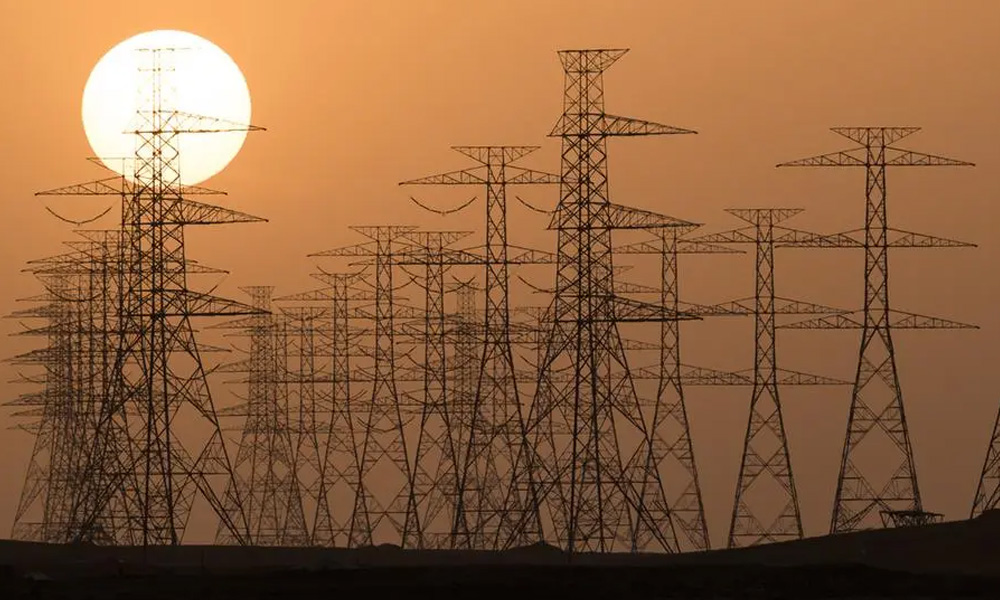
The Saudi Electricity Company (SEC) announced plans to commence work on a critical 380kV substation and associated overhead transmission line (OHTL) projects in the central region of Saudi Arabia, as part of the Kingdom’s ongoing efforts to expand its renewable energy infrastructure.

The project includes the construction of the Mawqaq PV 380kV Bulk Supply Point (BSP) substation, which will support upcoming renewable energy developments across the country. According to SEC, bids have been received from regional utility firms for the initiative.

Trading & Development Partnership (TDP) has emerged as the lowest bidder for the substation construction, with a proposed value of US $158mn. In parallel, SEC is also advancing overhead transmission line works. For the 380kV OHTL project connecting the Mawqaq PV BSP to the existing power grid, Alfanar Projects submitted the lowest bid at $42.3mn.

SEC stated that the official awarding of the contracts remains contingent on the successful evaluation and approval of the submitted proposals. These projects mark a significant step toward Saudi Arabia’s power infrastructure and its transition to sustainable energy sources under Vision 2030.

This initiative aligns with the broader goals of the National Renewable Energy Program (NREP), overseen by the Ministry of Energy. Currently, the Saudi Power Procurement Company (SPPC) has issued a Request for Proposals (RFP) for the sixth round of renewable energy projects, offering a total combined capacity of 4,500MW.

The post SEC to launch 380kV substation and transmission projects in KSA appeared first on Middle East Construction News.

Source: MEConstructionNews


RTA-1.jpg

April 24, 2025 valueeng0

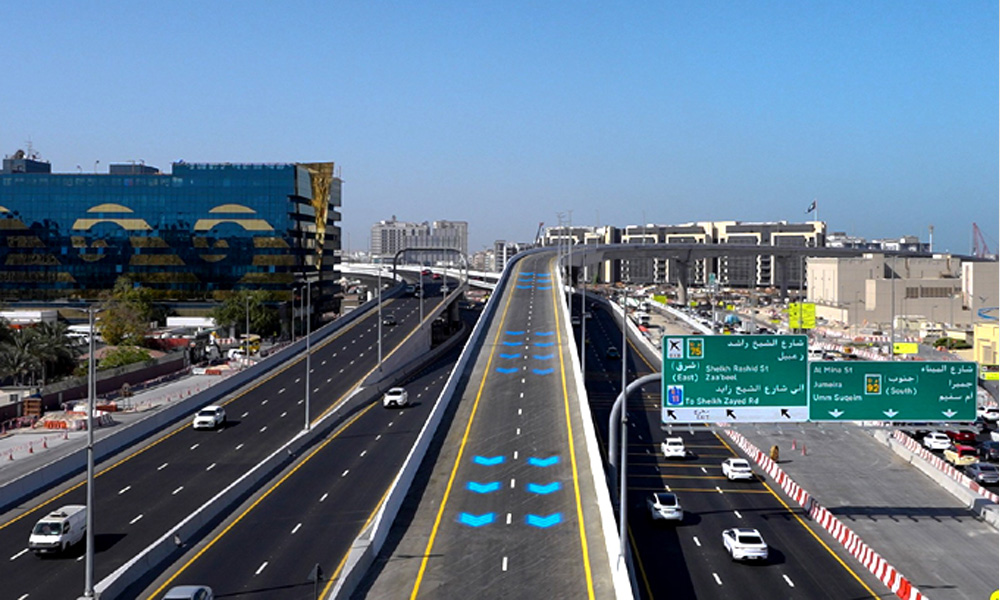
Dubai’s Roads and Transport Authority (RTA) has opened a new bridge connecting Jumeirah Street to Al Mina Street, which aims to facilitate smoother traffic flow toward the Infinity Bridge. The newly inaugurated structure spans 985m and consists of two lanes, with a traffic capacity of up to 3,200 vehicles per hour.

This bridge is part of Phase 4 of the broader Al Shindagha Corridor Improvement Project. The phase covers a 4.8km stretch from the intersection of Sheikh Rashid Road and Sheikh Khalifa bin Zayed Street to the Falcon Intersection on Al Mina Street. The corridor is a key part of Dubai’s road network, aimed at accommodating increasing traffic volumes as the city continues to grow.

The new bridge is expected to significantly reduce congestion, particularly for drivers traveling from Jumeirah Street toward the Infinity Bridge. According to RTA, the travel time along this route is projected to drop by 67% from 12 minutes to approximately four minutes by removing the need to stop at traffic signals.

Phase 4 also includes the construction of five additional bridges totaling 3.1km in length. These are designed to handle up to 19,400 vehicles per hour. Road upgrades as part of this phase also focus on key intersections along Jumeirah Street, Al Mina Street, and Sheikh Sabah Al Ahmad Al Jaber Al Sabah Street.

Pedestrian infrastructure is also being addressed with two new pedestrian bridges planned one on Sheikh Rashid Road and another on Al Mina Street to improve safety and accessibility.

Looking ahead, a major element of the project is scheduled for completion in the second quarter of 2025: a 780m, three-lane bridge that will link Infinity Bridge to Al Wasl Street via Al Mina Street. This future connection is expected to accommodate up to 4,800 vehicles per hour, further enhancing the corridor’s traffic capacity.

The post RTA opens New Jumeirah–Al Mina Bridge in Shindagha Corridor Project appeared first on Middle East Construction News.

Source: MEConstructionNews


Imkan.jpg

April 24, 2025 valueeng0

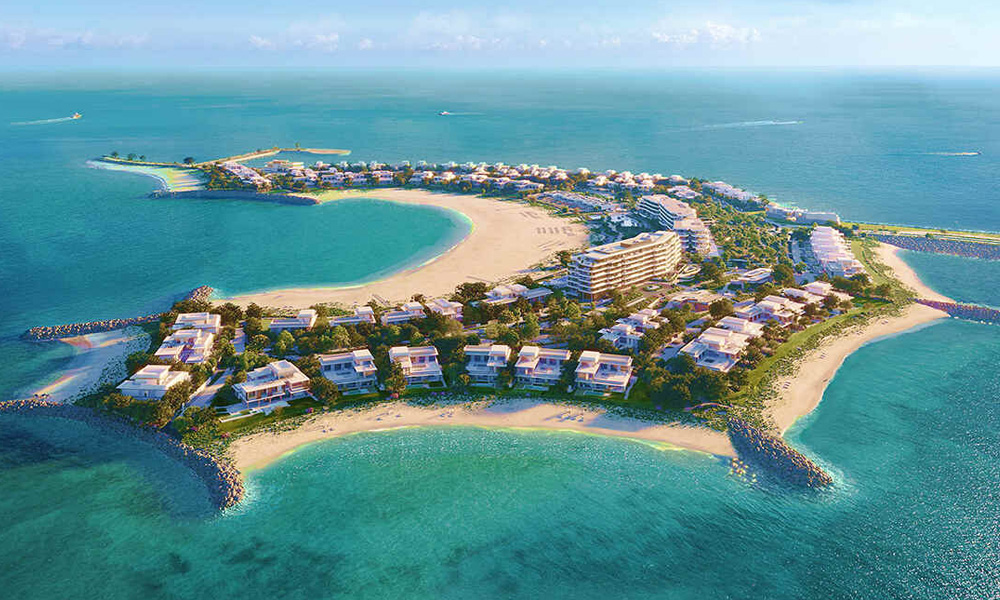
Imkan has announced the launch of Naseem AlJurf, the newest phase of its landmark development, AlJurf. The development is located within a 90,580sqm area nestled between Abu Dhabi and Dubai.

The project aims to redefine coastal living in the UAE and promises a lifestyle that blends modern living with cultural heritage.

As part of the broader AlJurf masterplan, the phase includes a curated mix of residential offerings, including 111 standalone villas, 60 contemporary townhouses, and eight low-rise apartment buildings. The announcement follows the success of AlJurf’s first phase, which witnessed a complete sellout, highlighting the strong demand for lifestyle destinations that prioritise wellness, nature, and community connection.

Engineer Suwaidan Al Dhaheri, CEO of Imkan said, “With Naseem AlJurf, we have envisioned more than just a residential development – we are creating a sanctuary where tradition meets modernity. This phase embodies our philosophy of placemaking – crafting soulful, human-centric communities that not only enhance the lives of our residents but also honor the natural beauty and rich heritage of Sahel Al Emarat.”

The launch event showcased the design of Naseem AlJurf and highlighted architectural elements inspired by the region’s cultural roots, lush landscapes, and a profound respect for the surrounding environment. The community will also offer a range of amenities, green spaces, walking trails, and wellness-focused features to promote a balanced and fulfilling lifestyle, the developer said.

The post Imkan unveils Naseem AlJurf appeared first on Middle East Construction News.

Source: MEConstructionNews


Equinor-wind-project.jpg

April 22, 2025 valueeng0

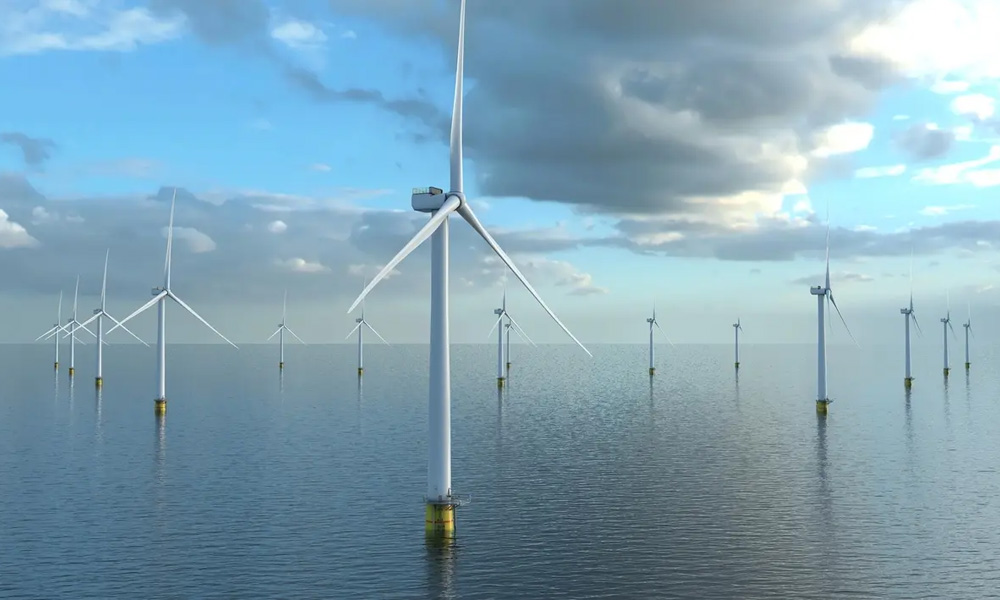
The U.S. Department of the Interior has ordered a halt to construction on Equinor’s Empire Wind offshore project, citing concerns over insufficient environmental analysis during the approval process. The decision was announced on 16 April by Interior Secretary Doug Burgum through the social media platform X.

Empire Wind, located roughly 12 nautical miles (22km) south of Long Island, New York, is one of the most ambitious offshore wind projects in the region. Developed by Norwegian energy company Equinor, the project was approved by the Biden administration in November 2023 and had already begun early construction phases. Once completed, it is expected to generate enough electricity to power 700,000 homes annually, with operations initially scheduled to begin in 2027.

Equinor confirmed receiving the stop-work order from the Bureau of Ocean Energy Management (BOEM), a branch of the Department of the Interior responsible for regulating offshore energy projects. As of now, the future of Equinor’s Empire Wind project remains uncertain while the company awaits further clarification from federal authorities.

“We will engage directly with BOEM and the Department of the Interior to understand the questions raised about the permits we have received from authorities, we will not comment about the potential consequences until we know more,” the company said in a statement.

Secretary Burgum noted that the halt followed discussions with Commerce Secretary Howard Lutnick. The Department of Commerce oversees the National Marine Fisheries Service (NMFS), which evaluates environmental and ecological impacts of offshore projects, particularly those affecting marine life.

Governor Kathy Hochul said, “This fully federally permitted project has already put shovels in the ground before the President’s executive orders, it’s exactly the type of bipartisan energy solution we should be working on.”

The construction halt follows a broader policy shift under President Donald Trump, who, upon returning to office in January, issued an executive order directing a comprehensive review of all offshore wind permitting and leasing activities. The decision faced problems from state officials, including New York Governor Kathy Hochul, who pointed out the project’s previous approval and bipartisan support.

The post U.S. halts construction of Equinor’s Empire Wind Offshore Project over environmental review concerns appeared first on Middle East Construction News.

Source: MEConstructionNews


TKE.jpg

April 22, 2025 valueeng0

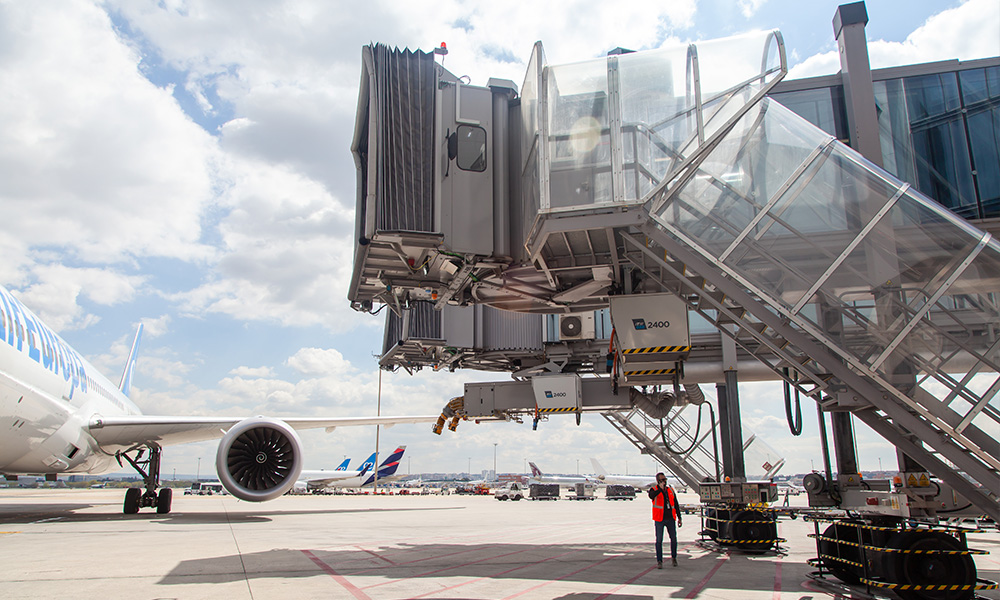
TK Elevator (TKE) has implemented its MAX Automate system at Adolfo Suárez Madrid-Barajas Airport in Spain. The technology is said to have made Madrid the world’s first major airport to remotely operate a total of 129 Passenger Boarding Bridges (PBBs) across its five terminals. By PBB control, MAX Automate streamlines processes, enhances safety through advanced sensor and camera technology, and promotes sustainability by reducing vehicle movements and associated emissions, said the firm.

Adolfo Suárez Madrid-Barajas Airport, Spain’s biggest airport, is one of the top five European airports and one of the busiest airports in the world. In 2024, it welcomed over 66m passengers. With the new MAX Automate system, the airport will be even more efficient for travelers. It’ll be simpler, safer, and better managed, making journey smoother, said a statement.

“MAX Automate represents a paradigm shift in airport operations,” said Ignacio Medina, CEO of Airport Solutions at TK Elevator. “By pioneering this system in Madrid, we’ve demonstrated how PBB automation can be implemented at scale and our commitment to driving digital transformation in the aviation industry. This solidifies TKE’s position as a leader in the PBB automation path. MAX Automate is an innovation that keeps evolving, pushing airports to move beyond traditional operations and adopt digital technologies that will shape the future of seamless, efficient airport management.”

MAX Automate integrates hardware and software for airport operations, offering three customisable levels of enhancement. The Remote Control System will assist operators to remotely control multiple PBBs from a single control station, eliminating the need for operator transfers. The Automatic Docking Assistance employs stereo cameras and advanced artificial vision algorithms to ensure precise and safe docking. The Remote Automatic Docking Assistance combines remote operation with automatic docking, providing convenience and reliability.

At Madrid Airport, the Remote Control System is operated from three dedicated control rooms, allowing staff to connect to and control all 129 PBBs. This approach optimises docking procedures, reduces turnaround times – a major cost factor in the industry and eliminates the need for operators to move between stands. The system further enhances operational efficiency by minimising downtime and enabling docking upon receiving the “OK handling” signal.

Beyond operational improvements, MAX Automate enhances safety by reducing human intervention during docking, lowering the risk of incidents and damage to PBBs and aircraft. Staff can become more specialised, opening new career paths for employees with disabilities. Sustainability is another advantage, as fewer operator transfers lead to reduced vehicle usage on the apron, CO₂ emissions and supporting airports in meeting their environmental goals.

As the step towards PBBs, MAX Automate underscores TK Elevator’s commitment to delivering innovative, fully integrated solutions. This lays airport operations and foundation for further advancements in airport automation and digitalisation, the company concluded.

The post TK Elevator transforms Madrid Airport as first fully remote-operated hub with MAX Automate appeared first on Middle East Construction News.

Source: MEConstructionNews


Barsha.jpg

April 22, 2025 valueeng0

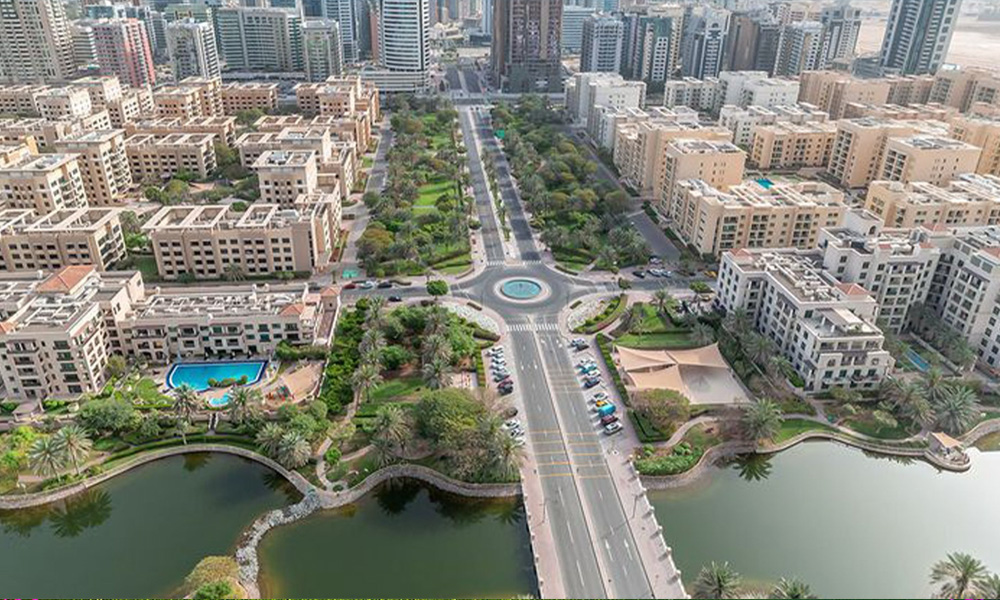
The Dubai Municipality, in partnership with the Community Development Authority, has announced the awarding of a contract to construct five new community neighborhood councils in the following areas – Nad Al Sheba II, Al Awir II, Al Barsha South I, Al Warqa II, and Hatta.

This project aligns with the objectives of the Dubai Social Agenda 33, which seeks to enhance the well-being of Emirati families, reinforce national identity and values, and ensure an inclusive social environment. Furthermore, it supports the goals of the ‘Year of Community’ declared for 2025, which aims to strengthen family and societal bonds.

Hessa bint Essa Buhumaid, Director-General of the Community Development Authority said, “Neighbourhood councils serve as living examples of social cohesion in Dubai. These spaces bring community members together in environments that support dialogue, preserve heritage, and reflect the UAE’s cultural identity. As part of our role in supervising neighbourhood councils, we are committed to evolving these facilities. In line with the needs of residents, ensuring they contribute to national identity and foster meaningful engagement through a variety of activities and events.”

“This expansion supports the leadership’s vision of building a more connected and empowered society. These projects respond to population growth and urban development while ensuring that high-quality services reach every neighbourhood, in accordance with the highest standards. Establishing new councils represents a pivotal step in enhancing social services across residential areas,” added Buhumaid.

Marwan Ahmed bin Ghalita, Acting Director-General of Dubai Municipality continued, “These councils are essential to keeping pace with the evolving needs of citizens and providing facilities that ensure a decent, happy, and stable life for all. They offer spaces that strengthen community cohesion, encourage younger generations to uphold Emirati traditions, and create inclusive platforms for dialogue, consultation, and engagement.”

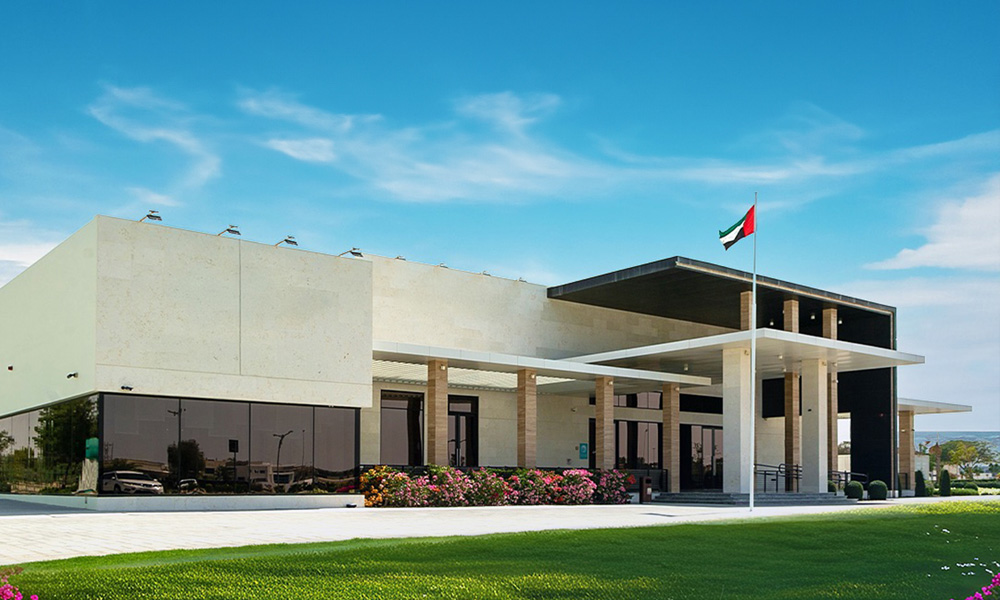
The five councils will adopt a unified architectural design that harmonises with contemporary aesthetics while preserving Emirati cultural heritage. The Hatta council will be tailored to accommodate the region’s distinctive heritage and urban standards, ensuring its integration with the natural and historical ambiance of the area.

Each council will cover approximately 1,256sqm, within a total development area of 6,280sqm and will include a divisible multi-use hall, a majlis for daily use, prayer halls for men and women, a reception area, staff offices, storage spaces, preparatory kitchens, and toilet facilities. Construction of the Al Barsha South I, Al Warqa II, Nad Al Sheba II, and Al Awir II councils is expected to be completed by Q4, while Hatta’s council is set for handover in Q2 2026.

The post The Dubai Municipality and CDA awards contract for five new Community appeared first on Middle East Construction News.

Source: MEConstructionNews