DMCC-Twin-Tower.jpg

April 29, 2026 valueeng0

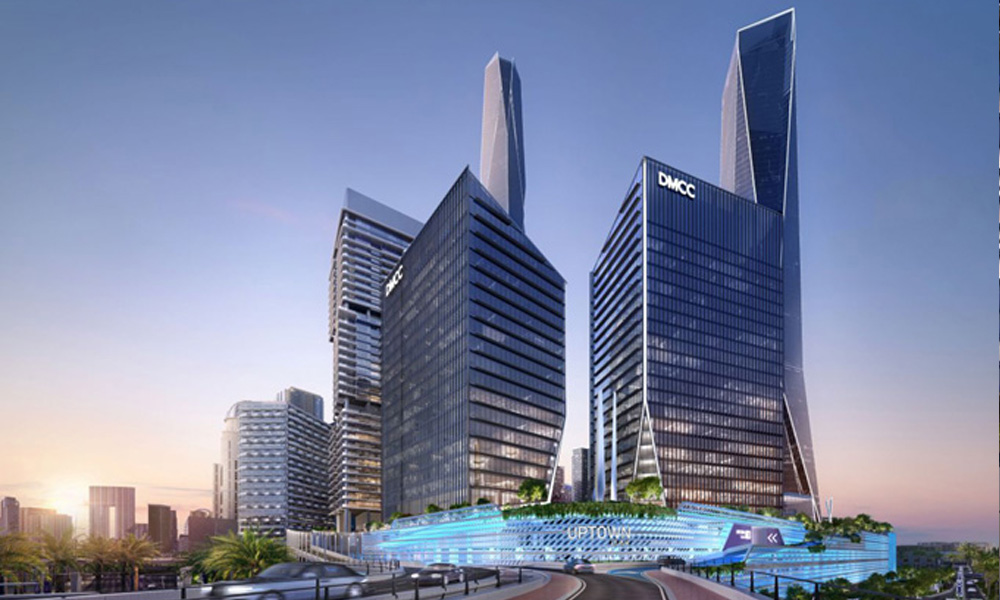
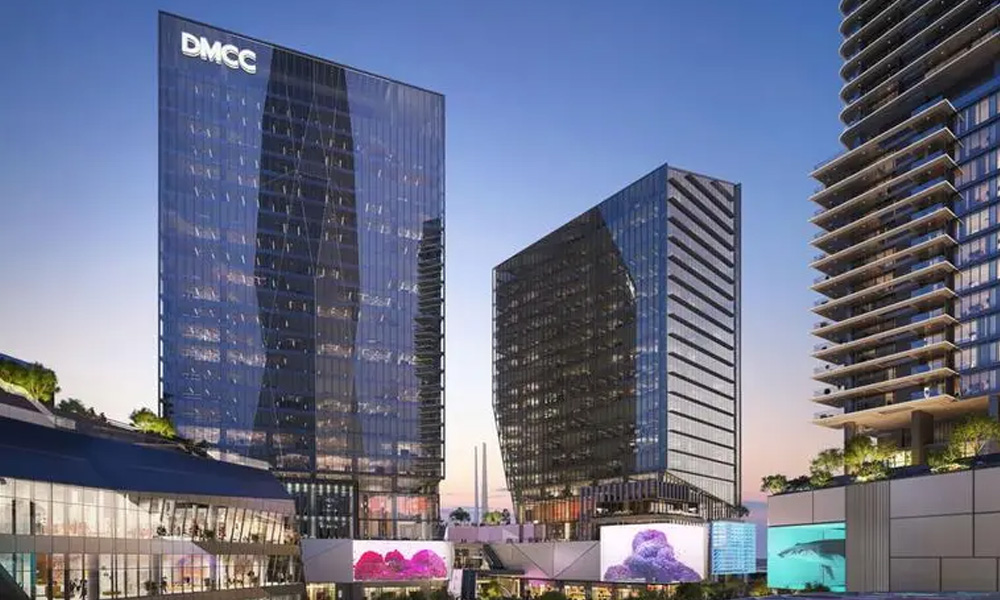
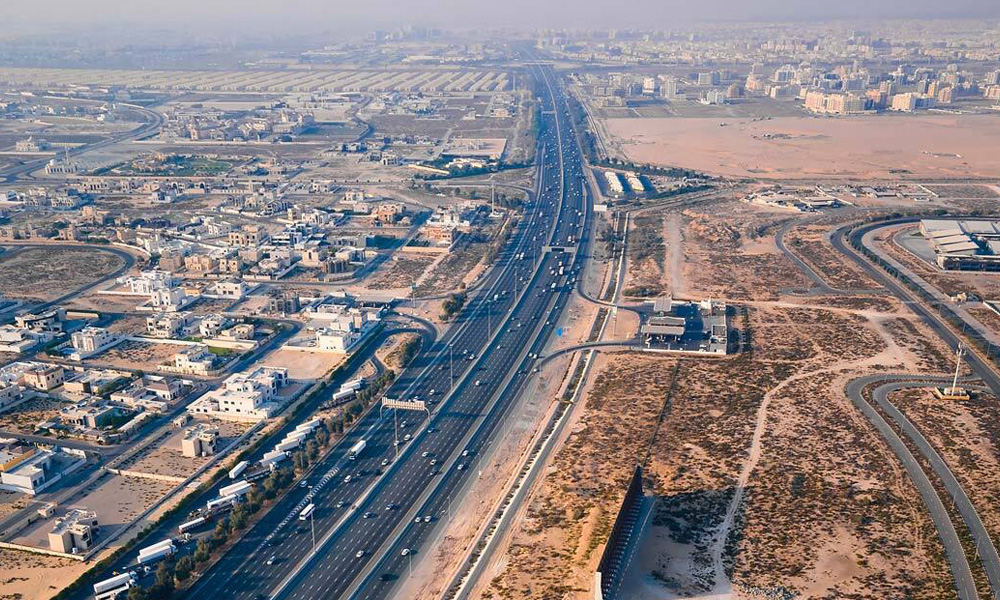
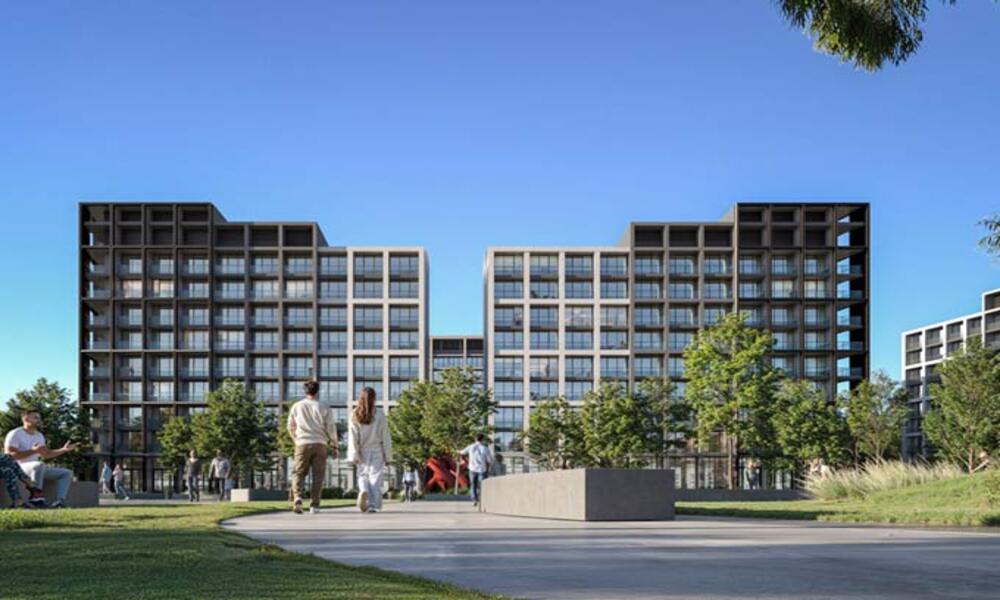
DMCC has unveiled Two Uptown Place and One Uptown Place – two new premium commercial towers within its flagship Uptown Dubai district. These developments mark a significant milestone in the district’s expansion, said a statement.

The development will introduce over 560,000sqft of Grade A office space, surpassing the district’s current commercial footprint of over 1m sqft. Leasing is anticipated to commence in the second half of the year, with the towers expected to be completed by the first quarter of 2028.

Comprising 21 and 15 storeys, these towers are designed to accommodate a diverse range of occupiers, from multinational corporations to rapidly expanding firms. Office configurations will vary from 2,100sqft to 17,600sqft, with select floors featuring integrated, multi-level layouts connected by private staircases. This format is tailored for larger tenants seeking operational cohesion.

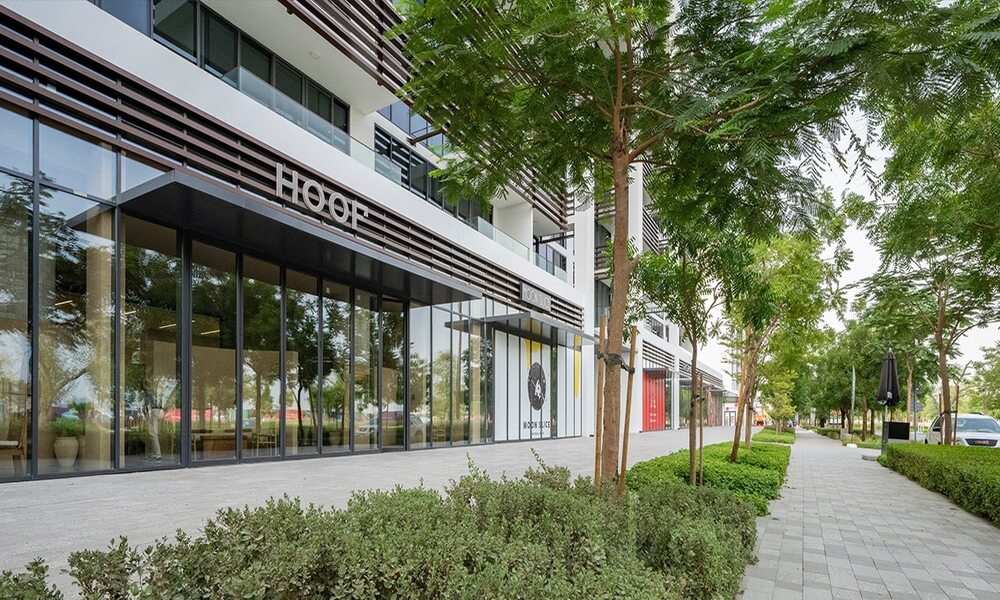
An additional 82,000 sqft of retail space will be integrated into the development, solidifying Uptown as a mixed-use destination that combines commercial, retail, and lifestyle offerings. This expansion aligns with DMCC’s efforts to establish new ecosystems in finance and capital markets.

Notably, the recent launch of FinX and the Wealth Hub aims to attract financial institutions, fintech platforms, alternative lenders, and digital asset firms to the district. The growth of these sectors is driving a demand for high-specification office space in well-connected locations, the statement noted.

Ahmed Bin Sulayem, Executive Chairman and Chief Executive Officer, DMCC said, “Businesses are increasingly prioritising environments that combine connectivity, flexibility and access to capital and markets. With One Uptown Place and Two Uptown Place, we are adding over 560,000sqft of Grade A office space, taking Uptown Dubai’s total commercial capacity beyond 1m sqft. The towers are designed to accommodate a wide range of occupiers, featuring office configurations from 2,100 to 17,600sqft, including integrated multi-level layouts.”

“This reflects the scale and sophistication of demand we are seeing across trade, finance and technology. As we continue to build out ecosystems for the next generation of businesses, including DMCC Wealth Hub, FinX and the Maritime Centre, Uptown Dubai is evolving into a fully integrated district, offering companies a premium and connected platform to grow and operate globally,” he noted.

Brewer Smith Brewer Group designed the towers to prioritise performance and user experience. Amenities include in-building dining, retail outlets, and a swimming pool. Floor-to-ceiling glazing provides panoramic views of the district.

13 destination-controlled elevators and inter-floor connectivity enhance efficiency for larger occupiers.The development also features over 1,600 parking spaces with valet services and a dedicated shuttle connection to the Dubai Metro.

Both buildings are aiming for LEED Gold certification, incorporating energy and water efficient systems, solar-controlled glazing, and improved indoor environmental standards. DMCC is accepting expressions of interest from prospective tenants before formal leasing later this year.

Source: MEConstructionNews


ega.jpg

April 29, 2026 valueeng0

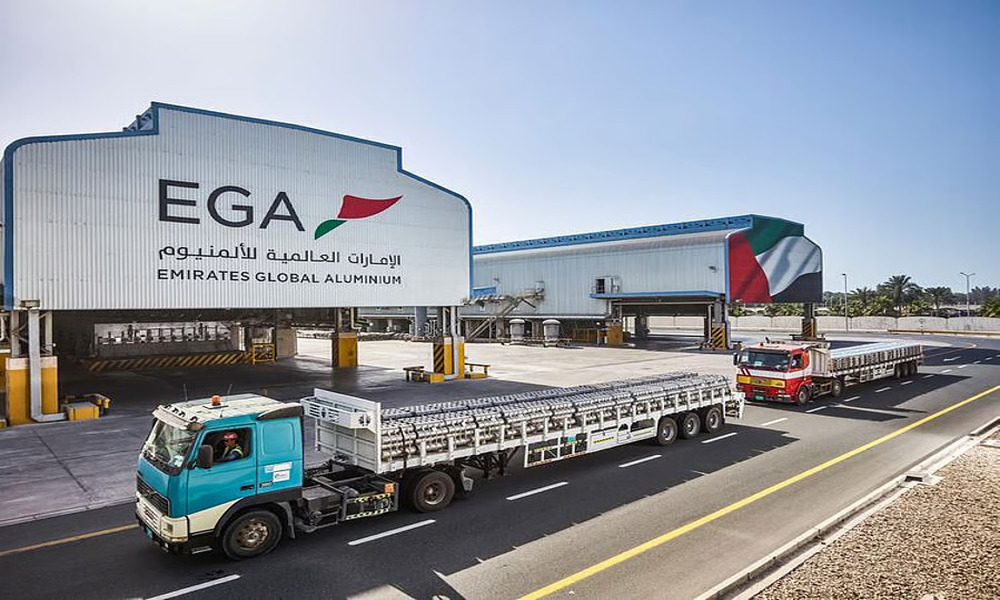
Emirates Global Aluminium (EGA) hasannounced its intention to acquire an 80% stake in Italian aluminium recycling company Eco Green. The acquisition, which remains subject to regulatory approvals, marks the latest milestone in EGA’s global expansion and accelerates the company’s growth in aluminium recycling across Europe.

Eco Green specialises in aluminium scrap collection, sorting and casting, and dross processing, distributing a total of more than 70,000t per year.

The company’s plant in Villafranca di Verona in northeast Italy collects, sorts and distributes approximately 23,000t of aluminium scrap annually. A portion of the sorted scrap feeds Eco Green’s nearby facility in Nogara di Verona, which casts more than 20,000t of secondary sows per year and also processes dross.

Founded by the Scappini family in 1993, Eco Green remains family-led. The company employs 70 people, and its current management team is expected to continue following completion of the transaction. EGA operates the UAE’s largest aluminium recycling plant in Al Taweelah in Abu Dhabi. EGA has already acquired aluminium recycling facilities in Germany and the United States with expansion projects underway at both sites, said a statement.

After the final takeover, EGA’s recycling capacity will balloon to more than 400,000t per year across the UAE, Europe and the US, with an additional 200,000t of capacity under development in Europe and the US. EGA markets its recycled aluminium globally under the brand RevivAL.

On the strategic move, CEO Abdulnasser Bin Kalban said, “At EGA, we are making rapid progress in building a global aluminium recycling business alongside expanding our primary aluminium production. Post closing, Eco Green will bring EGA reach and expertise in the European aluminium scrap market, making this a significant step forward in supplying the recycling operations we are building across the continent to contribute to Europe’s green future. Eco Green will also add recycled aluminium production in northeast Italy, which we can further develop as part of EGA.”

Eco Green CEO Luca Scappini said, “Becoming part of the world’s largest producer of ‘premium aluminium’ will unlock Eco Green’s growth potential, enabling us to further enhance our plants and expand our scrap supply and customer networks across Europe. EGA is already a major primary aluminium supplier to Europe, and we look forward to contributing to a significant and fast-growing EGA recycling business across the continent.”

Analysts expect global demand for recycled aluminium to double by 2040, accounting for around 60% of growth in global aluminium supply between now and 2030, and around 70% between 2030 and 2040.

Europe, excluding Russia, is the world’s third-largest recycled aluminium market after the United States and China. Recycled aluminium currently meets around 40% of Europe’s total aluminium demand, with industries consuming approximately 4.9m tonnes in 2025. According to CRU, demand is expected to grow to around 7.2m t by 2033.

EGA acquired the German specialty foundry Leichtmetall in May 2024. Based in Hannover, EGA Leichtmetall produces high-strength recycled aluminium.

In December, EGA announced a major expansion project that will increase EGA Leichtmetall’s recycling capacity more than six-fold, adding 110,000t per year of scrap sorting capacity and 153,000t per year of melting and casting capacity. The project represents an investment of approximately US $170mn, with first hot metal expected in 2028.

EGA typically exports over 600,000t of primary aluminium annually from the UAE to Europe each year, supplying key industries including automotive and construction.

Source: MEConstructionNews


Dany-Ghandour_1000X600.jpg

April 29, 2026 valueeng0

Khatib & Alami (K&A) is investing in its project management consultancy (PMC) and facilities management (FM) capabilities following the appointment of Dany Ghandour as Vice President.

Ghandour brings more than 25 years of experience to the role, including 2-decades previously spent at K&A. He has held senior leadership positions on complex, multi-billion-dollar programs – predominantly in Saudi Arabia – and has led the delivery of major project management and FM services contracts for a wide range of public and private sector clients in the region.

He rejoins K&A following 4-years at KEO, where he drove strategic growth as General Manager – KSA and MD of the company’s FM practice.

Dr Najib Khatib, Chairman and CEO of K&A said, “Our clients are increasingly focused not just on delivering assets, but on how those assets perform over the long term. Aligning our PMC and FM capabilities allows us to move seamlessly from delivery into operations, preserving design intent, managing risk and protecting value well beyond handover. Dany’s return strengthens our leadership in this area and supports our continued investment in both disciplines.”

Ghandour added, “K&A has shaped much of my career, so coming back after 4-years away feels both personal and natural. The industry has evolved, and clients now expect partners who can think beyond handover and focus on how assets perform over time. Bringing PMC and FM under one leadership enables exactly that – a more joined-up way of delivering and sustaining value. I’m pleased to return at a moment when the business is making such a clear and strategic investment in its future.”

Source: MEConstructionNews


Chedi-Hospitality-Mountain-project_1000x600.jpg

April 29, 2026 valueeng0

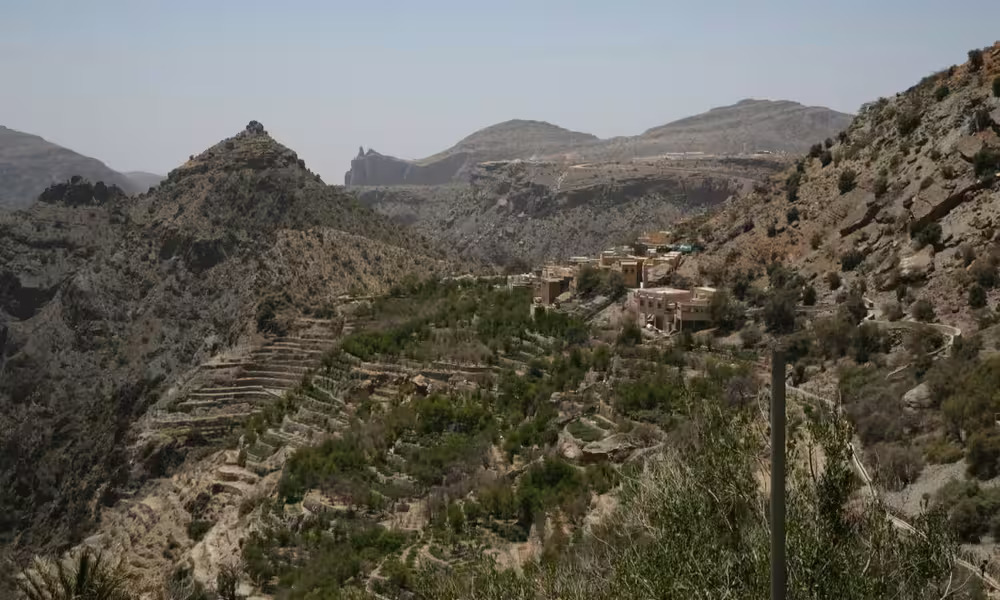
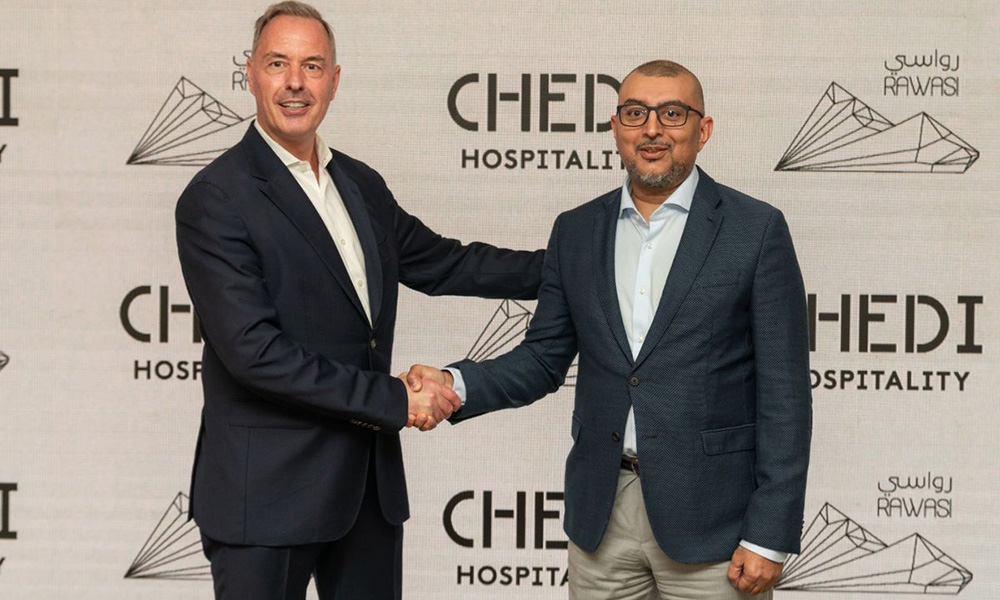
Chedi Hospitality has partnered with Rawasi Development to explore a new destination in Jabal Bausher, Oman. The agreement represents a considered step in the company’s continued expansion within the Sultanate, building on a legacy shaped by The Chedi Muscat.

Located at the foothills of Jabal Bausher, the proposed development is envisioned as a vertically integrated mountain destination responding directly to the site’s natural elevation and terrain.

Early concepts explore a layered approach to planning, where hospitality, residences, and community elements are organised across distinct tiers, each defined by its relationship to privacy, access, and perspective.

The development is conceived not as a singular destination, but as a gradual progression through landscape, where movement across elevation reveals shifting perspectives, and each layer offers a distinct experience of place, said a statement.

Rather than imposing a singular architectural statement, the project seeks to work in dialogue with the mountain, allowing the landscape itself to inform the experience, from elevated vantage points and panoramic views to quieter, more secluded residential enclaves, it said.

Stephan Schupbach, President and Group CEO of Chedi Hospitality commented, “Oman has long held a special place within our portfolio. With The Chedi Muscat, we established a presence that resonated globally, recognised among others as the number one resort in the Middle East, and helped shape how the destination is experienced. Jabal Bausher presents a different opportunity, one that invites a more nuanced response to landscape and elevation. Together with Rawasi Development, we are exploring how a destination can be shaped with restraint, where the setting defines the experience rather than the other way around.”

Khaled Ahmed Al Marooqi, CEO of Rawasi Development added, “This collaboration reflects a shared ambition to create something that is both contextually grounded and forward-looking. Mount Jabal Bausher offers a unique natural setting, and our vision is to develop it in a way that enhances its character while contributing meaningfully to Oman’s evolving hospitality landscape. Chedi’s legacy in the Sultanate and their enduring brand essence, A Voyage Unbound, make them a natural partner for this journey.”

While still in its early stages, the development under consideration will include a hotel positioned as a vantage point within the masterplan, alongside private residences and complementary lifestyle components, each carefully integrated to respect the scale and character of the mountain, it said.

Source: MEConstructionNews


Aldar-and-DMT_1000x600.jpg

April 29, 2026 valueeng0

Developer Aldar has announced partnership with Abu Dhabi’s Department of Municipalities and Transport (DMT), which aims to develop 2-integrated communities in Mohamed Bin Zayed City (MBZ City) and Baniyas. These communities will collectively provide 9,000 value housing rental units within the emirate.

The projects are part of the Value Housing Programme, an initiative spearheaded by DMT to expand access to quality, affordable housing throughout the emirate, aligning with Abu Dhabi’s long-term urban development goals. In this partnership, Aldar will be responsible for the development, leasing, and management of the communities, while DMT will provide long-term leasing rights over the land.

Aldar’s develop-to-hold pipeline, which now boasts a gross development value of US $5.47bn, will be further enriched by the new projects, each with a gross development value of $762mn. These projects encompass a diverse range of assets, including the recently announced residential rental projects slated for development on Yas Island and Al Shamkha.

The partnership establishes a solid foundation for expanded collaboration between the involved parties, in line with Abu Dhabi’s commitment to providing a diverse range of high-quality housing options across various segments and price points, as mentioned by the developer.

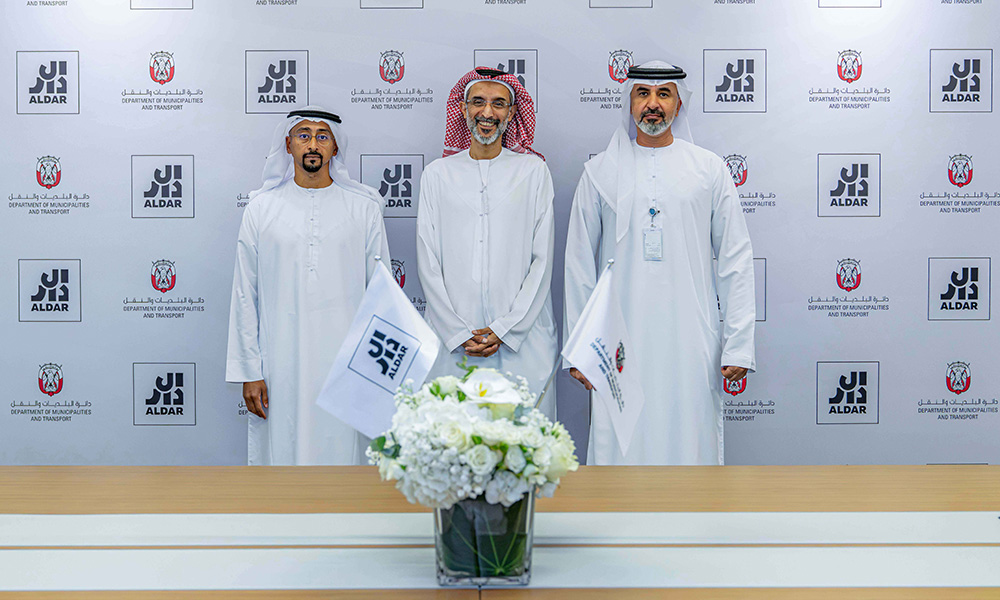
Ahmed Fadhel Almehairbi, the Director General of Abu Dhabi Municipality and Jassem Saleh Busaibe, Chief Executive Officer of Aldar Investment, signed the agreement in the presence of Nasser Saleh Farah, Director General of Financial Affairs at the DMT.

Strategically situated in Baniyas, along the Abu Dhabi–Al Ain (E22) highway, the first development will consist of over 30 residential buildings. These buildings will offer a mixed-use lifestyle, featuring residential units, retail spaces, recreational amenities, and open green areas.

The second project, located in MBZ City, will create a mixed-use residential community. This development will combine single-occupancy accommodation and multi-tenant apartments. It will also include on-site amenities and ancillary retail spaces to cater to residents’ daily needs.

Jassem Saleh Busaibe, Chief Executive Officer, Aldar Investment said, “With Abu Dhabi’s population continuing to grow, there is a significant need for new homes to be delivered that cater to a broad range of demographics residing in the emirate. Our collaboration with DMT will ensure thousands of quality rental homes come to the market in well-connected and amenity rich communities, ensuring a fully affordable lifestyle for residents.”

Almehairbi said the partnership with Aldar underscores the DMT’s shared commitment to advancing the objectives of the Value Housing Programme by delivering high-quality, affordable homes that meet the needs of families and individuals alike and enrich community living.

Due for completion in 2029, the 2-communities will offer a diverse unit mix, and are designed to prioritise accessibility and convenience, with direct connections to public transport and major road networks.  Residents will benefit from professionally managed communities featuring amenities, green spaces, and direct access to retail and other essential services.

Source: MEConstructionNews


Nader-Hilal_1000x600.jpg

April 29, 2026 valueeng0

The Middle East and especially the countries that are part of the Gulf Cooperation Council (GCC) have made a habit of grabbing headlines around the world. Last year in Q3, the Institute of Chartered Accountants in England and Wales (ICAEW) published its Economic Insight Q3 2025 report (produced in collaboration with Oxford Economics), which revealed the GCC economy was on track for 4.1% growth in 2025, increasing to 4.6% in 2026 despite global GDP expansion slowing to 2.7%.

Following recent regional strife and the accompanying disruptions, GCC economies are projected to contract by 0.2% in 2026 according to the ICAEW’s Economic Insight Q1 2026 report. However, the report also said that GCC economies are expected to rebound sharply, with growth forecasts reaching 8.5% in 2027, as a result of strong fundamentals, diversification, and policy reform supporting a return to growth, as energy flows normalise and non-oil sectors strengthen.

The GCC economy continues to be led by two major markets, the UAE and Saudi Arabia, with the latter holding the crown of being one of the most vibrant construction markets in the world. According to the recent Saudi Arabia Construction Market Analysis report produced by Mordor Intelligence, the Saudi construction market size was $133.79bn in 2025, is expected to grow to $142.3bn in 2026, and ultimately reach $186.13bn by 2031, growing at a CAGR of 5.52% from 2026 to 2031. The construction market in the Kingdom continues to be driven by giga-projects under Saudi Vision 2030, the development of transport corridors, housing programs and other infrastructure upgrades.

With 2 offices in the Kingdom, global risk mitigation and dispute resolution firm HKA has been a part of the Saudi construction landscape for over 20 years. The firm has its Regional Headquarters (RHQ) in Riyadh in the 302m tall Kingdom Centre, in addition to their office in Jeddah.

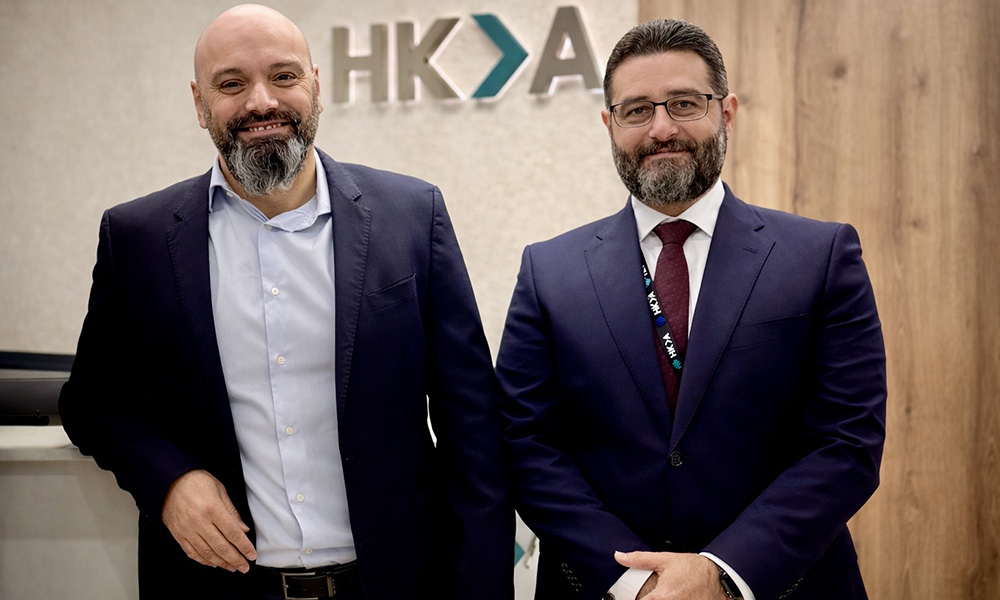
Nader Emile and Hilal Itani, Partners at HKA in Saudi Arabia, share their perspectives on the evolving construction landscape in the Kingdom. From design maturity and cash‑flow pressures to collaboration across the supply chain and the evolving priorities of Vision 2030, they offer insight into how major programmes are being reshaped to improve delivery and long‑term value.

In 2025, the company enjoyed tremendous success. Emile shared that, “2025 was a strong year for HKA. We inaugurated our RHQ, secured high-profile engagement with PIF entities and strengthened our relationship with the government. With the establishment of the RHQ, we are strategically positioned to expand our business with the government across a variety of projects. We have also provided expert services with the Saudi Center for Commercial Arbitration (SCCA) in Arabic and have been actively collaborating with lawyers throughout the Kingdom to secure further expert assignments in the future.”

Emile also notes that in 2025, the firm undertook 2,200 projects worldwide valued at approximately $2.43tn, with average CapEX of $1.25bn spanning 114 countries. He also reports that the disputed costs claimed on average constitute roughly one third of contract budgets, while the Extension of Time (EOT) claims would extend project schedules by approximately two thirds.

Talking specifically about the Kingdom, he notes, “We have worked on hundreds of projects, with 152 projects directly contributing to the Eight Annual CRUX Insight Report. The average CapEX in Saudi Arabia is $1.68bn while the average cost claimed amounts to nearly 27%. The total EOT associated with these projects is approximately 96.2%.”

Key achievements and highlights in 2025

Reflecting on 2025, Emile emphasises HKA’s strong performance and highlights a number of significant achievements.

“There’s plenty to be proud of, but I believe that our training capabilities deserve special praise. We’re well known for our dispute expertise and claims services, but we also do a lot of training with our clients. I’ve been personally engaged in several assignments with employers and contractors and we’ve made a significant impact in terms of raising their capabilities, and the results have been positive in terms of how they are evolving and adopting our approach and methods. Beyond the delivery of claims and our dispute resolution services, we help clients strengthen their own internal understanding of delay analysis and contract management. I personally provide training on delay analysis and disruption methodologies, scheduling techniques, and the preparation of EOT claims,” Emile states.

Here he adds that Itani also undertakes work relating to delay, disruption, prolongation costs, and all of the issues related to change of scope and claims management.
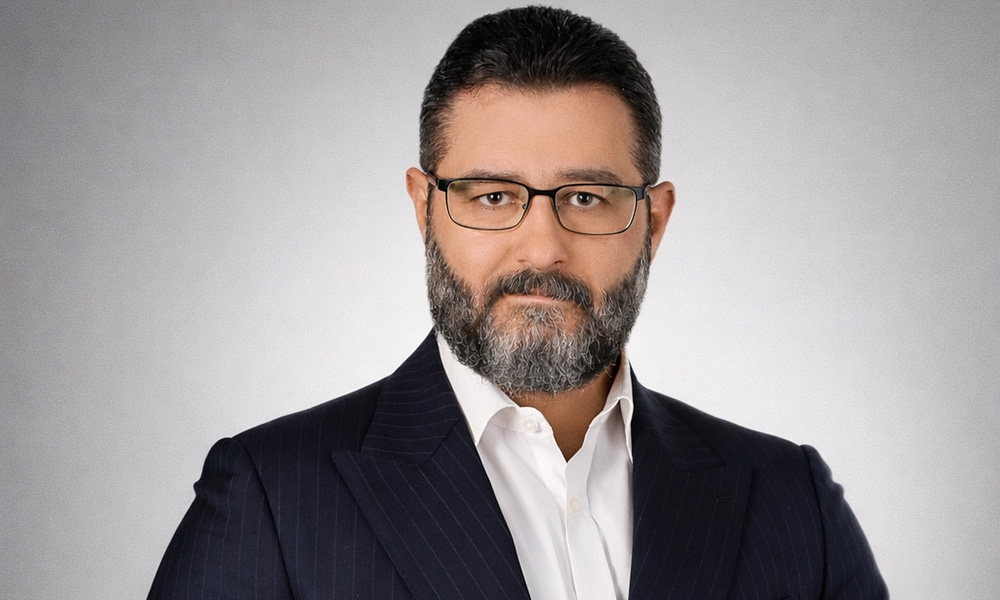
Nader Emile is a Partner at HKA in Saudi Arabia.

Emile says, “The shift from simply solving a problem for a client to empowering them to prevent issues themselves is rewarding and it’s not only because of training. When we collaborate with clients on our assignments and we conduct Windows analysis or Time Impact Analysis (TIA) or As-Built versus As-Planned analysis, and work with their planners, we also teach them – through our assignment – how to carry out these methods of analysis properly and what the best practices are. It’s highly rewarding to see that we are contributing to the advancement of the construction industry by educating client planners, claims practitioners and internal engineers.”

He emphasises, “Prevention is much better than cure, and helps avoid situations in which we are engaged for claims work only to discover that some clients lack adequate records or do not fully understand the processes involved.”

On a personal note, Emile shares that 2025 has been a particularly memorable year. He has been honoured with the Client Choice Award 2025 for the second consecutive year as a Construction Consulting Expert in Saudi Arabia by Lexology Index (formerly Who’s Who Legal). This achievement reflects the exceptional feedback and trust of HKA’s valued clients. In addition, Emile says he is especially proud to be the only Arabic‑speaking testifying delay expert recognised by Lexology Index in Saudi Arabia.

Itani points to HKA’s client feedback programme as one of his proudest milestones of 2025, highlighting the firm’s strong performance under the Net Promoter Score (NPS) framework. The tool, widely used across professional services, enables HKA to assess client perception and its likelihood of recommendation across the market.

“NPS is a powerful indicator because it goes beyond satisfaction and captures trust, confidence and perceived value,” Itani explains. “It provides objective, candid feedback that allows us to assess where we are performing well and where we can improve.”

In 2025, 85% of respondents classified themselves as promoters of HKA, an exceptionally high result within the advisory and disputes sector. A further 36% awarded the firm an overall score of 10, with 18% providing a perfect rating.

“It is always rewarding to see this reflected at an individual level,” Itani adds. “Achieving a perfect 10 from clients is a strong endorsement of the work we do, and being recognised by our CEO, Renny Borhan, made this one of the most meaningful moments of the year.”

Turning to the firm’s outlook for 2026, and despite heightened regional uncertainty, HKA remains focused on expansion within the Kingdom. According to Itani, the firm has identified 3-clear priorities aligned with market demand and the pace of development under Vision 2030.

“Our first objective is to expand our Saudi team and increase both commissions and expert-related appointments,” he says. “Saudi Arabia market is critical to HKA’s long-term growth, not only because of the scale of current and planned investment, but also because clients are seeking more specialised dispute-ready expertise as projects grow in scale and complexity.”

To support this, HKA is continuing to strengthen its local capabilities by appointing senior experts, transferring forensic delay analysis capacity into the Kingdom, and ensuring the right balance of technical, commercial and contractual skill sets.

“We are positioning ourselves to secure more expert appointments and arbitration-related commissions,” Itani notes. “Nader and I both testify in Arabic, and we are likely the only firm in this segment with Arabic-speaking experts formally registered in Saudi Arabia. That gives us a clear advantage in understanding local procurement practices, dispute frameworks and client expectations”.

Beyond market expansion, Itani emphasises that HKA’s strategy in Saudi Arabia also places strong emphasis on people development. “Our second area of focus is investing in young Saudi talent,” he says. “We believe that sustainable growth in the Kingdom requires more than just expertise, it requires building a pipeline of Saudi professionals who can grow with us and eventually lead major commissions.” This is being delivered through structured training, mentorship programmes and planned succession pathways, he says. “We are not just filling roles; we are building long-term careers,” he adds.
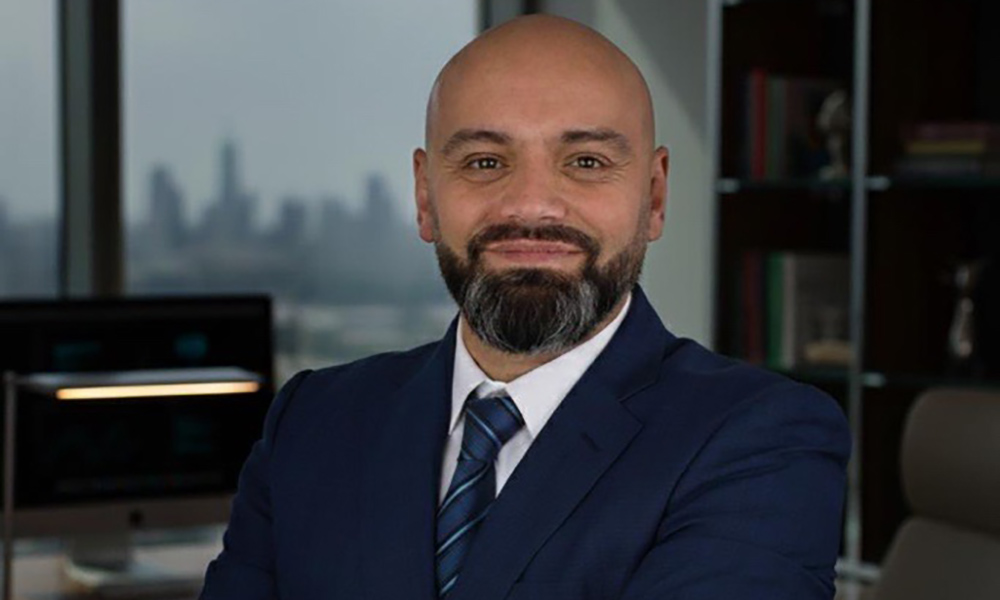
Hilal Itani is a Partner at HKA in Saudi Arabia.

The firm’s third strategic priority is investment in bespoke artificial intelligence solutions aligned with its core services.

“We are not interested in off-the-shelf AI tools that everyone has access to,” Itani explains. “Instead, we are developing tailored solutions around delay analysis, claims management, expert reporting and data-driven dispute resolution – areas where data quality, judgement and repeatability really matter.”

Itani confirms that these tools will leverage existing CRUX data, and notes that there is no fixed launch date yet. “Developing a tool such as this takes time; I believe we’ll be ready in the next 2-years,” he notes.

CRUX in the Kingdom

HKA released the Eight Annual CRUX Insight report titled ‘From Insight to Foresight’ in H2 2025, which features insights from over 2,200 projects from 114 countries valued at US $2.43tn. Since the very first report was first released, it has been extremely well received around the world, thanks to its deep insights into the main causes of claims and disputes on engineering and construction projects. The full report and a powerful interactive dashboard are freely accessible at www.hka.com/crux-insight.

Discussing the report’s popularity, Emile remarks, “It’s been 8-years now and the popularity is growing year after year. We have thousands of downloads, and the readership includes several major employers and contractors. Apart from this, we often present CRUX data to our clients and to other organisations via relevant events. We also use bespoke analysis in our own proposals and include figures and analytical information to back up our capabilities with respect to specific commissions.”

Emile also highlights that HKA will be hosting a Saudi breakfast VIP event in the first half 2026, alongside the delivery of a CRUX webinar in Arabic scheduled for June. “Hilal and I normally host this annual CRUX webinar in Arabic, with a strong focus on the Middle East and Saudi Arabia in particular. We dissect all the findings by sector, contract type, and individual cases. We have been delivering this webinar together for around 4-years now, and it continues to be an important platform for sharing insights relevant to the regional market.”

Asked about whether the CRUX report is published in Arabic, Emile confirms, “We usually have an Arabic language version of the report and we’re hoping the latest edition will be available in Arabic soon.”

Discussing some of the data published in the 2025 edition of the CRUX Insight report in response to a question on whether the causes behind disputes has changed noticeably compared to previous years, Emile responds, “That’s an interesting one; when you look at the cumulative data that’s added annually, it doesn’t dramatically change the overall rankings of dispute causation. This year, we conducted our first time-based comparison by analysing results pre and post 2020 (based on the COVID-19 pandemic timing and impact on the industry). We observed a substantial drop in disputes arising from design-related issues in the Middle East.”

“According to the data, the incidence of disputes related to incomplete design declined from 28.8% to 11.9%. This improvement can be attributed to increased awareness among clients and contractors regarding effective strategies to prevent and resolve these issues before they escalate into disputes. I hope that our CRUX report, along with our training programs and webinars, has contributed to this positive development,” explains Emile.

“In terms of cash flow for instance and payment issues, these were found to have affected 16.7% of projects up to 2020, compared to 25.5% from 2020 onwards globally. That said, the Middle East and Saudi Arabia are affected by this trend as well,” he clarifies.

Asked to delve deeper into the topic of challenges on megaprojects and the advice he has for clients, Emile notes that it’s important to address these issues on megaprojects specifically, as projects of this type amplify the consequences of misalignment, uncertainty, and delay, making their impacts more pronounced and far-reaching than on smaller projects.

“With respect to scope and design issues, it’s essential to address this on massive construction projects. In the Kingdom, significant efforts are underway to enhance megaproject delivery, and our predominant advice regarding scope changes is ‘go slow to go fast’. This guidance, which is emphasised throughout our CRUX report, fundamentally discourages fast-tracking in complex projects. Fast-tracking involves overlapping various project phases, such as initiating construction prior to the completion of the design, which can introduce substantial risks and complications,” he outlines.

“It is essential to cultivate a culture that recognises the value of sacrificing some initial progress to achieve superior long-term project outcomes. Employers should commit to a tighter scope definition and facilitate an Early Contractor Involvement (ECI) approach when integrating technical inputs and insights. During the design development phase, it is imperative that designs are thoroughly reviewed and finalised prior to the commencement of on-site activities. This remains our standard recommendation to our clients.”

“This specific requirement really depends on the type of contract and whether it is Design and Build (D&B), Engineering, Procurement and Construction (EPC) or instances where the design is provided by the employer. In essence, while this approach entails higher initial costs and time investment, it yields significant benefits in terms of scheduling, constructability, management of interfaces and costs, especially for more complex engineering projects,” he continues.

He cautions, “Project stakeholders, particularly contractors, should proactively implement self-protective measures by engaging experienced consultants and contract managers at the earliest possible stage. Ideally, these appointments should occur prior to contract engagement; however, if not feasible, they must be made immediately following contract execution and project commencement. This will enable them to accurately identify assumed risks and anticipate potential risks that could give rise to disputes.”

At this point, Emile notes that clients they work with are actively incorporating these consultancy costs into their bid calculations nowadays and factoring them into their budgeting processes.

Elaborating on the risks associated with project delivery, Emile emphasised the importance of avoiding overlapping project phases, highlighting the direct relationship between scope and design. “There is a real connection between scope of work and design changes; once the scope changes – even where robust change management mechanisms exist in the contract – it inevitably triggers design changes, because the design is typically frozen against a defined scope. Changing the scope therefore changes the design. It becomes a domino effect, or a ‘ping pong’ cycle between scope and design. This is precisely why scope and design issues, whether arising from incomplete, late, or incorrect design, consistently rank among the top 5 causes of claims and disputes.”

Shifting focus to design specifically, Emile explained that, through his and Hilal’s frequent work with project programmes in the context of delay analysis and EOT, they consistently encounter challenges related to how design timing has been accepted, structured, or provided for within the contract programme.

Emile states, “My advice to clients is to include clearly defined milestones specifying when particular stages or elements of the design are required. The logic links and the floats must be managed very carefully, so that each party understands its obligations and delivery timelines in line with its design responsibility.”

Emile further highlighted the importance of well‑drafted and properly interpreted contracts, noting that clarity around design responsibility is critical. “If responsibilities are not clearly defined, delays are almost inevitable,” he explained. “Uncertainty over who is responsible for which design elements often leads to delays across all design phases, as debates over responsibility can stall progress and result in the entire design falling behind schedule.”

Itani advises rigorous gateway checks throughout the design verification process, including budget and programme considerations linked to design development. “Advanced design development is critical in reducing delivery risk,” he says, noting that insufficient design maturity remains a recurring issue across major projects.

Shedding light on aspects relating to cash-flow, Emile notes that it ranks after scope and design issues and observes that it can sometimes be quite surprising to find cash-flow and payment issues are predominant in the Middle East. He comments, “With government budgets shrinking currently and public debt increasing, private finance will need to support large projects more than before. Public Private Partnerships (PPP) therefore need to be strengthened, particularly to address recurring challenges such as unclear project objectives or poorly defined risk allocation – issues that have recently caused difficulties on many projects globally, not only in the Middle East.”

Here, Emile says that it’s important to link what is happening on the ground and what HKA’s CRUX Insight report can add to clients’ businesses. “We are focused on bridging the gap between theory and practice to ensure the findings are applied meaningfully to business decision-making. Drawing on our years of experience in the Kingdom and across the region, we aim to ensure that the insights from CRUX add tangible value to our clients,” he says.

Itani also highlights the growing importance of CRUX as an industry resource. “CRUX represents a vital industry platform, and one of its key strengths is accessibility. The data is freely available on our website, supported by a powerful interactive dashboard that allows users to interrogate the information and extract insights in a way that suits their needs.”

He adds that the platform reflects a significant long‑term investment by the firm. “CRUX is something we are extremely proud of because it represents the culmination of 8-to-10-years of collective effort across HKA. When you consider the depth of analysis and volume of data required to produce even a single table, the scale of work behind CRUX is truly remarkable.”

Emile continues, “We’re really proud of CRUX, and it has also been very rewarding for both Hilal and me as we’ve both contributed to the study and analysis. We can confidently say that only HKA is able to produce insights of this depth and scale, given our global reach and the breadth of projects and contract types we are involved in worldwide. We remain fully committed to the continued development of CRUX with further enhancements and upgrades planned for the future.”

The benefits of true collaboration

The construction supply chain in the Kingdom and across the broader GCC region is made up of hundreds if not thousands of stakeholders. Unfortunately, quite a combative mindset still seems to pervade the supply chain with stakeholders appearing all too eager to blame other parties, rather than working together collaboratively and placing the interests of the client and the project first.

Asked about his thoughts on this, Itani acknowledges that the issue remains prevalent, particularly on large‑scale programmes in the Kingdom, “We see this across many projects, especially major programmes,” he says. “There is a noticeable adversarial mindset amongst stakeholders, mostly driven by schedule pressure, unclear scopes, rapid mobilisation, fragmented interface, and an overarching rush to deliver. This tendency towards blame-shifting rather than collective problem-solving ultimately slows progress and drives claims.”

That said, Itani is clear that these challenges are far from insurmountable. “We’ve applied practical solutions on projects and seen a significant positive impact,” he explains. “Shifting from a mindset of contractual defence to a project-first approach can materially enhance progress onsite. Early collaboration models, for example, or a delivery partner approach along with early warning systems, lessons learned cycles, integrated decision forums, all play a critical role. These mechanisms improve collaboration, accelerate delivery and reduce friction.”

He adds that clarity and discipline are equally important. “When responsibilities are clear and supported by a robust respected change control system, outcomes improve for everybody involved. Promoting a long-term industry mindset also offers a lot of benefits. Many organisations are working together repeatedly across Vision 2030 projects, and a reputation for collaboration is becoming a genuine competitive advantage”. Given the interconnected nature of the current programme pipeline, Itani notes that behaviours are increasingly visible to major clients. “With projects often flowing through entities such as PIF, clients are fully aware of how organisations perform and interact. Those that demonstrate collaborative behaviours and a solutions‑driven approach are more likely to be favoured when future opportunities arise.”

Over the past 2-years, the Saudi market has continued to evolve, with a growing focus on announced projects and those delivering near-term economic impact or tied to events with immovable completion dates.

Commenting on this shift, Itani says: “It’s clear that Saudi Arabia is increasingly focused on delivery and placing greater emphasis on private‑sector participation. Several giga‑projects have been restructured, and in many cases, this has strengthened their overall viability. Actions such as pausing, scaling back, and restructuring aspects should be viewed as strategic prioritisation rather than retreat.”

Emile notes, “We’re seeing this prioritisation of projects taking share through various mechanisms, whether that is deferring specific elements of a project, reducing scope, re‑budgeting, or undertaking value engineering exercises. This is happening in Riyadh, in NEOM and in Jeddah as well, albeit at different scales. Looking ahead to the second half of 2026, we expect a number of significant announcements, with several strong projects in the pipeline.”

In his closing remarks, Itani emphasises that the recent reprioritisation measures ultimately strengthen the Kingdom’s development agenda. “These moves enhance the feasibility, the governance and the delivery capacity underpinning the broader giga-project portfolios, and will ultimately support the successful delivery of Vision 2030, he says. “They signal a shift from capital-intensive, highly futuristic mega-structures towards sectors that offer quicker and more tangible economic returns, such as logistics, AI, mining and event related infrastructure.”
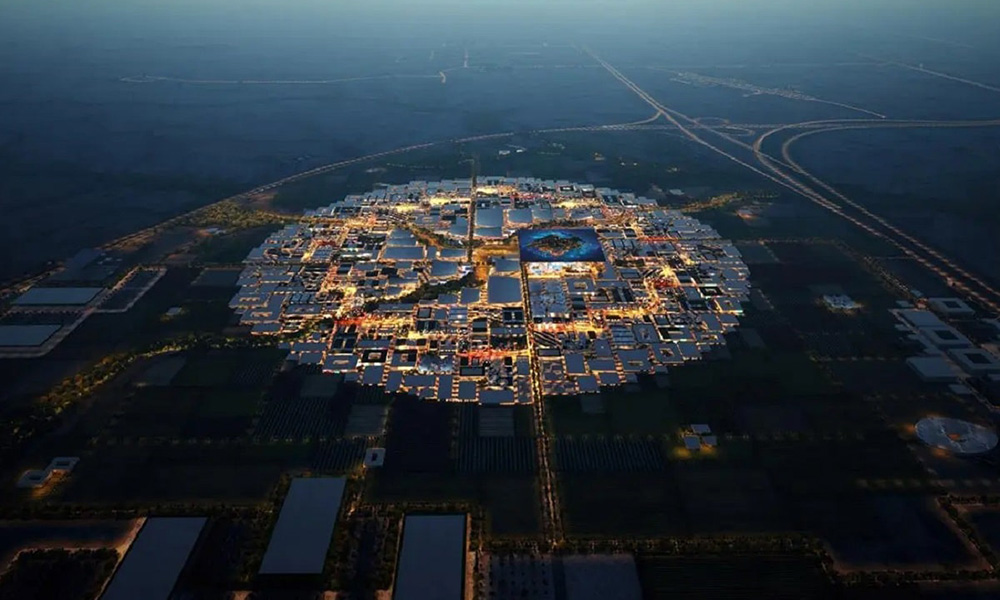
He adds that fixed‑date global events are now acting as a key driver of focus. “In the near future, Saudi Arabia is preparing for EXPO 2030 and the 2034 FIFA World Cup, both of which are immovable deadlines.  When events open on fixed dates, prioritisation becomes inevitable. Concentrating resources on certain programmes will naturally impact others, but this is a strategic decision and, in our view, a necessary and positive one.”

Source: MEConstructionNews


Dubai-Metro-Gold-Line.jpg

April 29, 2026 valueeng0

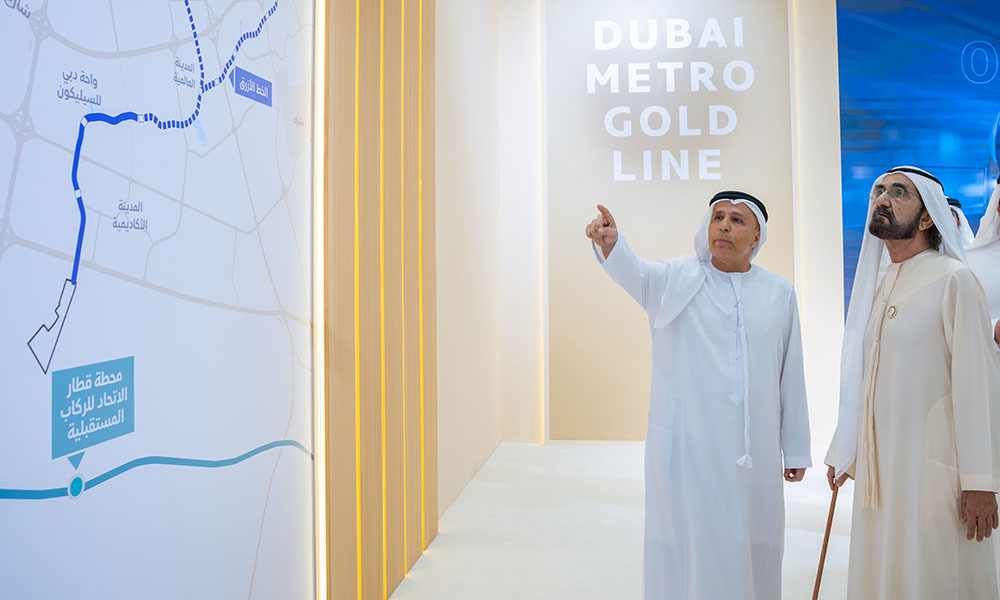
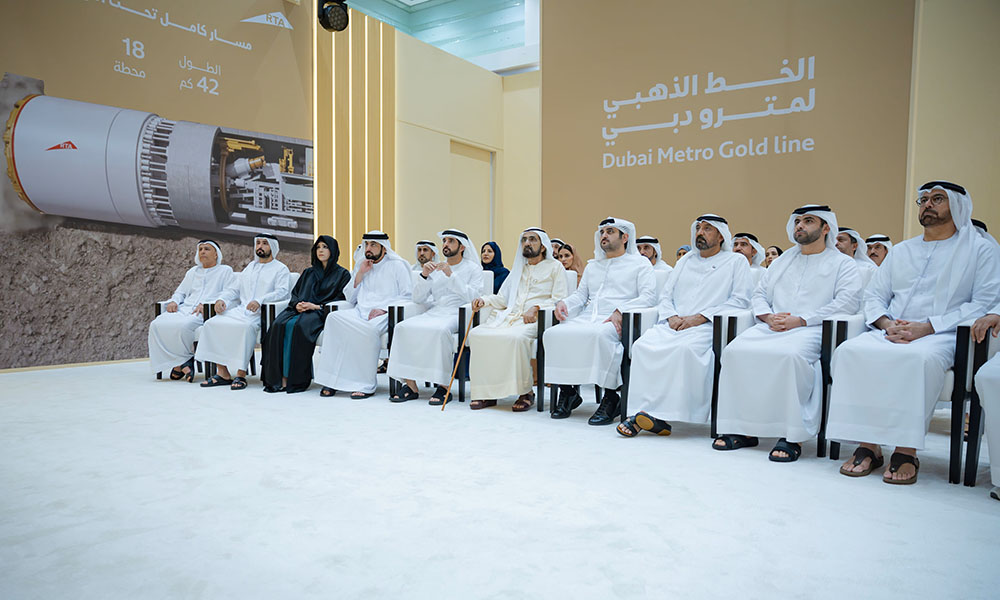
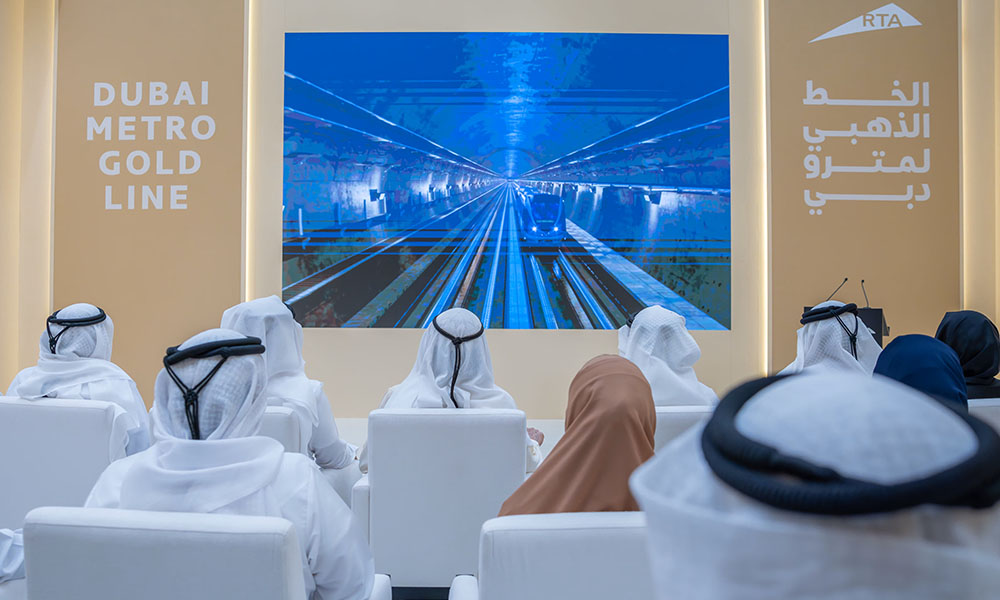
The Dubai Metro Gold Line has been approved by His Highness Sheikh Mohammed bin Rashid Al Maktoum, Vice President and Prime Minister of the UAE and Ruler of Dubai. The project will be built at an investment of US $9.2bn and will extend over 42km and 18 stations, and will be Dubai’s first fully underground metro line.

The Gold Line will connect to both the Red and Green Lines, while integrating with Etihad Rail, effectively linking Dubai to the UAE’s comprehensive national transportation network, said a statement.

His Highness Sheikh Mohammed’s approval of the project marks a strategic milestone, reflecting the robustness of Dubai’s economy and its accelerating pace of development as the Government of Dubai continues to deliver ambitious infrastructure projects that boost economic growth and enhance quality of life, further elevating the emirate’s global competitiveness, it stated.

Sheikh Mohammed is said to have directed the immediate commencement of the project, with the inauguration scheduled for 9 September 2032 – reflecting a delivery timeframe that is 30% faster than Dubai Metro’s Blue Line.

“Dear brothers and sisters, today we announce Dubai’s largest transport project; a new Dubai Metro line spanning 42km, at a depth of 40m underground. This new route will connect 15 strategic locations in Dubai, serving 1.5m people and supporting mobility across 55 mega development projects currently under construction. The $9.2bn Gold Line project will expand the Dubai Metro network by 35%, with completion scheduled for 9 September 2032.”

He added, “Our major projects to build the world’s best city to live in are ongoing. Our future projects will not stop; rather, they will gather pace. Our mission is to build a better future for millions – for we are a people who say what we do and do what we say.”

Set to serve as a comprehensive urban artery, the Gold Line will bridges Dubai’s historic centre with its future districts. The route will span 15 strategic locations, originating in Al Ghubaiba and crossing several developments, including Mina Rashid, City Walk, Business Bay, Mohammed Bin Rashid City, Nad Al Sheba, Mohammed bin Rashid Gardens, Meydan, Al Barsha South, Jumeirah Village Circle (JVC), and culminating at Jumeirah Golf Estates. The Gold Line significantly enhances urban integration and streamlines mobility across the emirate’s vital economic and residential centres, the statement highlighted.

The Gold Line will connect with the Red Line at 2- locations; Business Bay and Jumeirah Golf Estates, and to the Green Line at Al Ghubaiba. It also links with Etihad Rail at Meydan and Jumeirah Golf Estates, it added.

The new route will serve over 55 development projects and is projected to benefit over 1.5m people by 2040. With daily passenger numbers expected to reach 465,000 people beyond 2040, the Gold Line is set to solidify Dubai Metro’s role as the backbone of the emirate’s mobility ecosystem and the preferred choice for both residents and visitors, the statement explained.

The Gold Line will expand the Dubai Metro network from the current 120km, factoring in the Blue Line, to 162km, a 35% increase. The number of stations will increase from 67 (including the Blue Line) to a total of 85 stations, it added.

His Excellency Mattar Al Tayer, Director General and Chairman of the Board of Executive Directors of the Roads and Transport Authority (RTA) stated: “The Dubai Metro Gold Line marks a strategic milestone in the evolution of Dubai’s public transport network, reflecting the leadership’s vision to develop integrated, sustainable infrastructure that fuels economic growth and enhances quality of life. The project facilitates integration of multi-modal transportation, links Dubai’s key urban hubs and addresses the demands of urban and demographic expansion in line with the Dubai 2040 Urban Master Plan.”

He added, “The Gold Line embodies the RTA’s commitment to adopting international best practices in executing major projects. Led by national talent, the project reaffirms the leadership’s confidence in Emirati cadres and their pivotal role in driving development by delivering landmark achievements that mirror Dubai’s future aspirations.”

Al Tayer said that the Gold Line represents a strategic investment projected to achieve a 430% cumulative economic return over 20-years of operation, driven by savings in time and fuel, as well as reductions in road accident fatality rates and carbon emissions. He also noted that such benefits underscore the critical role of infrastructure projects in fulfilling the goals of the Dubai Economic Agenda, D33, by stimulating the economy, driving sustainable growth, and boosting the value of property and real estate near metro stations by up to 20%, further enhancing the appeal of areas it serves.

“By connecting with the Red Line in 2-locations and with the Green Line in 1-area, the Gold Line is set to drive the integration and sustainability of Dubai’s public transport system, further improving the efficiency of the current network and facilitating mobility across the emirate for both residents and visitors,” he remarked.

Al Tayer explained that the Gold Line will alleviate congestion on the Red Line between BurJuman and ONPASSIVE stations by 23%, and will strengthen Dubai’s connectivity with the other emirates by integrating with Etihad Rail at 2-locations, further advancing the concept of multimodal transportation.

The Gold Line will introduce loops, enhancing seamless mobility across short and long distances in key areas, and will further strengthen the integration and sustainability of the mass transit network, the statement outlined.

Additionally, Al Tayer said the Gold Line will significantly ease congestion across major roads, by bringing about a reduction of over 40m journeys annually, which will improve traffic flow, enhance quality of life and advance environmental sustainability.

Al Tayer said the Gold Line represents an advanced engineering milestone, as it will utilise the latest tunnel boring machine technology for an entirely underground execution, ensuring minimal disruption to residents and existing urban developments.

He added that the project will adhere to the highest international standards of quality and safety, as well as speed of delivery – with plans to complete the Gold Line 30% faster than the Blue Line, reaffirming Dubai’s leadership in executing large-scale projects.

The project is scheduled for tender issuance in 2026, with contract awards to follow in 2027. Construction will subsequently begin, leading to its inauguration on 9 September 2032. This comprehensive timeline underscores Dubai’s commitment to executing strategic projects with maximum efficiency and the highest global standards of quality and excellence, the statement explained.

Source: MEConstructionNews

jenna.jpg

April 28, 2026 valueeng0

Arada has unveiled Jenna, a new upscale residential complex situated in the US $9.53bn Aljada mega community in Sharjah.

Based in Aljada’s West Boulevard, the complex’s initial 100 apartments are now available to purchase as part of Jenna 1, with the construction of all 631 homes scheduled to be completed by the end of the first quarter of 2029.

Located near Aljada’s main entrance, Jenna boasts fresh, stylish and contemporary architecture. The 6-building development includes a selection of 1-3 bedroom residences, all of which come with smart home features and high-end appliances as standard.

Jenna is in close proximity to a broad range of premium amenities, including Raffles World Academy Sharjah, which will open in September; Aljada’s sports complex, which be finished by the end of 2026; and Madar Mall, a new family entertainment destination that is on track to be completed by the end of 2028.

The complex is also situated on Aljada’s West Boulevard, which is home to a wealth of shopping and dining experiences, while Jenna residents will also benefit from exclusive access to the buildings’ gyms and swimming pools.

Ahmed Alkhoshaibi, Group CEO of Arada said, “We continue to see impressive resilience in the Sharjah real estate market, which has a well-earned reputation for stability backed by the kind of transformational communities that developers such as Arada are delivering. Offering easy access to a host of world-class amenities as part of one of the region’s top master-planned communities, homes at Jenna are perfectly designed for those who wish to live happier, healthier and more meaningful lives.”

The launch of Jenna comes amid sustained property demand across Aljada and the wider emirate. According to data released by the Sharjah Real Estate Registration Department, total trading value reached US $5bn in the first quarter of 2026, compared to US $3.6bn during the corresponding period of 2025 – a 40.7% year-on-year increase.

Source: MEConstructionNews

Palm.jpg

April 28, 2026 valueeng0

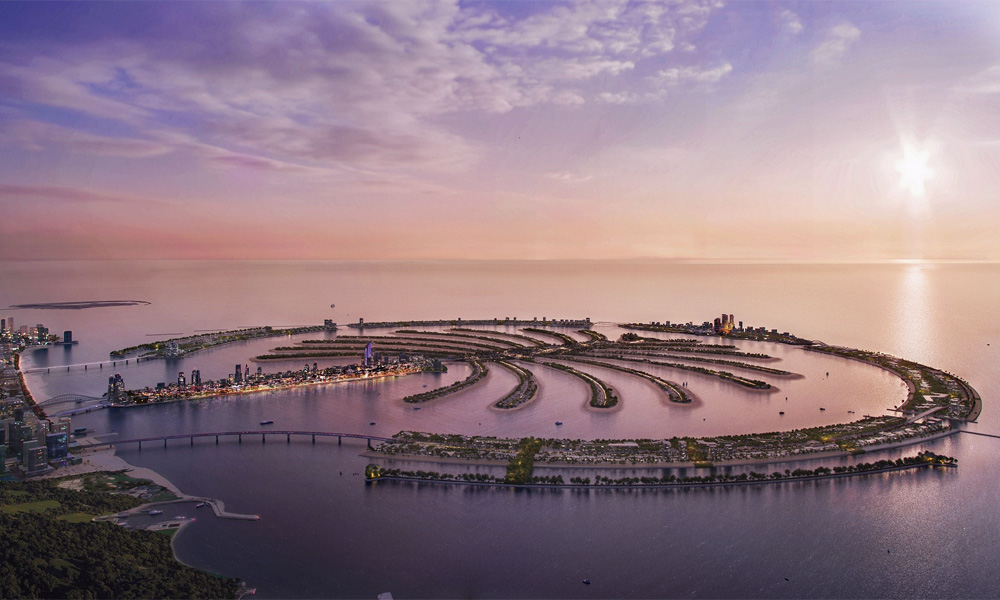
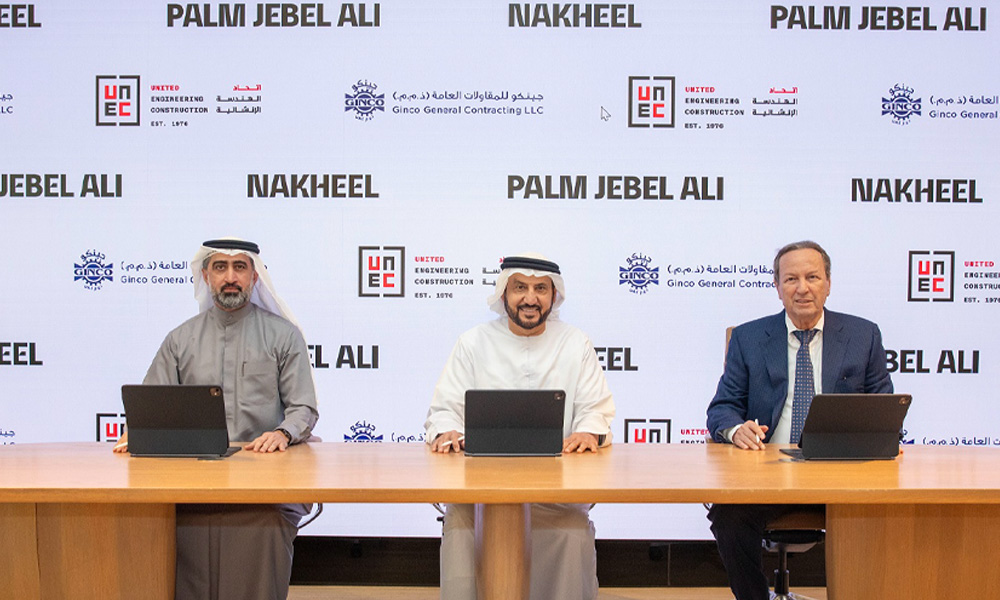
Nakheel has awarded contracts worth over US $953mn to Ginco General Contracting and United Engineering Construction (UNEC) for the construction of 544 villas on Palm Jebel Ali. This milestone marks a significant achievement in the delivery of one of Dubai’s key waterfront developments.

Under the awarded contracts, Ginco will construct 354 villas across Fronds A to D, while UNEC will deliver 190 villas on Fronds E and F. Construction is scheduled to commence this quarter, with completion targeted for Q4 2028.

Khalid Al Malik, Chief Executive Officer of Dubai Holding Real Estate said, “The awarding of these contracts signals tangible progress in the delivery of Palm Jebel Ali, with construction now progressing across multiple fronds. As momentum continues to build, Palm Jebel Ali represents one of the most significant expansions of Dubai’s urban coastline in a generation and will play a key role in supporting the emirate’s long-term growth, further strengthening its global appeal as a great place to live, invest and visit.”

Gheyath Mohammad Gheyath, Founder and Chairman of Ginco General Contracting added, “We are delighted to continue our successful journey in construction and development with Nakheel. This ongoing partnership is a testament to the strength of our relationship and our strong performance. We pledge to complete this project to the highest standards, and we remain committed to contributing to the realisation of our shared vision for this vibrant city.”

Eng. Abdul Halim Muwahid, Chairman of United Engineering Construction (UNEC) said, “Palm Jebel Ali is a remarkable project that stands as a testament to our shared vision and collaboration. Together, we are not just building communities, we are building tomorrow’s legacy, today. We deeply value our partnership with Nakheel and remain committed to sustaining and strengthening this relationship as we move forward toward continued success.”

Palm Jebel Ali plays a crucial role in Dubai’s urban expansion. It contributes to the transformation of the emirate’s southern coastline and reinforces its long-term vision for sustainable, high-quality waterfront communities, said a statement.

The awarded villas are part of a broader collection of 10 architectural styles. These styles are designed to maximise waterfront positioning and sea views while incorporating smart-home features and sustainability-focused design principles, it added.

The latest contract awards build on the progress made at Palm Jebel Ali and align with the goals of the Dubai 2040 Urban Master Plan and the Dubai Economic Agenda D33. These goals support Dubai’s ambition to establish itself as a global leader in premium waterfront living.

Source: MEConstructionNews